A new study published this week in the British Journal of Sports Medicine reveals that walking just 30 minutes a day can significantly reduce the risk of developing chronic diseases such as heart disease, diabetes, and certain cancers. Researchers from King’s College London followed over 12,000 adults aged between 40 and 70 for a period of 10 years. The study found that those who engaged in brisk walking daily had up to a 25% lower risk of heart-related illnesses compared to those with a sedentary lifestyle. “Walking is one of the simplest and most accessible forms of physical activity, yet its benefits are profound,” said Dr. Amelia White, the lead author of the study. “Our research confirms that even moderate movement each day can have a powerful impact on long-term health.”
Participants who walked in green or natural environments saw greater mental health improvements.
Risk of Type 2 diabetes was reduced by 19% in regular walkers.
Those who walked in groups had higher motivation to stay active.
Participants who walked in green or natural environments saw greater mental health improvements.
Risk of Type 2 diabetes was reduced by 19% in regular walkers.
Those who walked in groups had higher motivation to stay active.
Health experts worldwide are echoing the message, especially in urban centers where sedentary lifestyles are increasingly linked to health problems. The World Health Organization (WHO) recently emphasized physical activity as a top priority for improving global health outcomes.
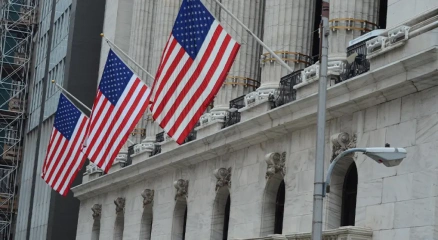
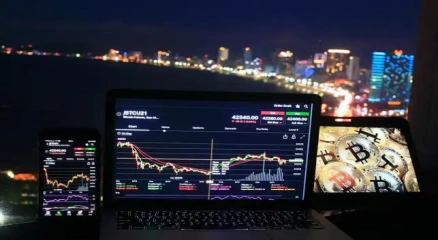
Global stock markets remained mixed today as investors weighed fresh U.S. inflation data, corporate earnings reports, and the ongoing economic uncertainty in China and Europe. The U.S. stock market opened slightly higher on Monday morning, with the Dow Jones Industrial Average rising 0.4%, the S&P 500 climbing 0.3%, and the Nasdaq Composite gaining 0.5% in early trading. Investors responded positively to June's U.S. Consumer Price Index (CPI) report, which showed inflation cooling slightly to an annual rate of 3.0%, down from 3.3% in May."Markets are optimistic that the Federal Reserve may pause or even cut interest rates by the fall," said Lisa Raymond, chief analyst at Morgan & Co. "But it's still a wait-and-see situation, especially with more earnings coming this week." Wall Street Opens Higher Dow +0.4%, S&P 500 +0.3%, Nasdaq +0.5% on Monday morning. Boosted by June CPI showing inflation cooled to 3.0% (down from 3.3%). Hopes rise for potential Fed rate cut or pause by fall. The U.S. stock market opened slightly higher on Monday morning, with the Dow Jones Industrial Average rising 0.4%, the S&P 500 climbing 0.3%, and the Nasdaq Composite gaining 0.5% in early trading. Investors responded positively to June's U.S. Consumer Price Index (CPI) report, which showed inflation cooling slightly to an annual rate of 3.0%, down from 3.3% in May. "Markets are optimistic that the Federal Reserve may pause or even cut interest rates by the fall," said Lisa Raymond, chief analyst at Morgan & Co. "But it's still a wait-and-see situation, especially with more earnings coming this week." Tech Leads the Way Technology stocks led the gains in the U.S., with Apple (AAPL) up 1.8% and Nvidia (NVDA) jumping 2.4%, as demand for AI and semiconductors remains strong. Tesla (TSLA) also rebounded, rising 3.1% after announcing better-than-expected Q2 vehicle deliveries. Global stock markets showed a mixed performance as investors weighed persistent inflation concerns against a wave of corporate earnings reports. While strong results from major tech companies helped lift some indexes, uncertainty surrounding central bank policies and the future path of interest rates kept others in check. In the U.S., Europe Struggles on Growth Concerns Meanwhile, European markets showed little movement, with the FTSE 100 in London flat and Germany’s DAX down 0.2%. Investors remain concerned about weak industrial output and rising energy costs across the Eurozone.“The European economy is showing signs of fatigue,” said Carla Dupont, economist at BNP Paribas. “High borrowing costs and geopolitical tensions are dragging down business activity.”Global stock markets showed a mixed performance as investors weighed persistent inflation concerns against a wave of corporate earnings reports. While strong results from major tech companies helped lift some indexes, uncertainty surrounding central bank policies and the future path of interest rates kept others in check. In the U.S., Market Performance Summary Table Region Index/Company Movement (%) Key Driver USA Dow Jones +0.4% Positive CPI report (3.0% inflation) S&P 500 +0.3% Rate cut optimism Nasdaq +0.5% Tech stock gains Apple (AAPL) +1.8% Strong AI demand Nvidia (NVDA) +2.4% Semiconductor growth Tesla (TSLA) +3.1% Strong Q2 deliveries Europe FTSE 100 (UK) 0.0% Flat due to economic uncertainty DAX (Germany) -0.2% Weak industrial output, high energy costs Asia Nikkei 225 (Japan) +0.6% Strong export performance Shanghai Composite -1.2% Property sector risks, low consumer spending Asia Mixed as Chinese Markets Slump In Asia, markets showed mixed results. Japan’s Nikkei 225 gained 0.6%, supported by strong export data. However, Chinese markets fell sharply, with the Shanghai Composite down 1.2%, as fears about the country’s property sector and sluggish consumer spending persisted. Gains in consumer and tech sectors pushed markets higher, but weaker-than-expected bank earnings and inflation-related jitters limited broader momentum. European markets edged lower as traders grew cautious about global trade tensions and slowing growth indicators, while Asian markets saw mixed results, with Hong Kong posting modest gains and Tokyo slipping slightly. Overall, market sentiment remains cautious as investors await further economic data and guidance from central banks. Looking Ahead Investors are now turning their focus to key corporate earnings this week from major banks like JPMorgan Chase, Goldman Sachs, and Citigroup, as well as tech giants like Netflix and Microsoft. The results are expected to provide a clearer picture of business resilience amid high interest rates and uncertain global demand. Overall, market sentiment remains cautious as investors await further economic data and guidance from central banks.
Tourism Rebounds Strongly in 2025 as Travelers Seek New Adventures Post-Pandemic The global tourism industry has entered a period of remarkable recovery in 2025, following several years of pandemic-related disruption. With the lifting of most travel restrictions, renewed consumer confidence, and a deep craving for exploration, tourism has surged across continents. Experts say this rebound is not merely a return to old patterns, but a reshaping of how people travel, what they value, and how the industry responds. International Travel Reaches Record Levels Countries around the world have seen a significant rise in international arrivals. Popular destinations like France, Thailand, Italy, and Mexico are reporting visitor numbers that not only match but exceed pre-pandemic figures. Airports are bustling, cruise ships are sailing at full capacity, and global airlines have reinstated and even expanded routes. This surge is being driven by both leisure and business travelers eager to reconnect with the world. Tourists Demand Deeper, More Meaningful Experiences Travelers in 2025 are no longer satisfied with generic sightseeing tours. There is a growing demand for immersive experiences—whether it's living with a local family in a remote village, joining a traditional cooking class, or volunteering in conservation projects. This shift reflects a deeper desire for cultural understanding, personal growth, and making lasting memories, rather than just collecting passport stamps. Technology Transforms the Travel Experience Advancements in technology have revolutionized every stage of the travel journey. From AI-powered itinerary planners and mobile boarding passes to biometric check-ins and real-time translation apps, modern travelers are enjoying unprecedented convenience. Virtual reality previews and augmented reality tours are also helping travelers plan smarter and engage more deeply with destinations. Sustainability Becomes a Core Concern Post-pandemic travelers are more environmentally conscious than ever before. Eco-tourism has moved from niche to mainstream, with tourists choosing green-certified hotels, carbon offset flights, and low-impact transport options. Many are also seeking out destinations that emphasize environmental protection, wildlife preservation, and sustainable development. Tour operators and governments are responding by investing in responsible travel infrastructure and education. Flexible Booking and Safety Measures Still Matter Despite the easing of global health threats, travelers remain cautious. Flexible booking policies, free cancellations, and comprehensive travel insurance are considered essential. Tourists also favor destinations with clear safety protocols and reliable healthcare systems. These preferences are shaping the policies of airlines, hotels, and tour agencies, which now compete not only on price and location but on traveler assurance. Domestic and Regional Tourism Remains Strong While international travel has boomed, domestic tourism has also seen steady growth. Many travelers are discovering hidden gems within their own countries—national parks, cultural heritage sites, and lesser-known towns—thanks to local government campaigns and improved transportation networks. Weekend getaways, road trips, and regional cruises are more popular than ever, helping stimulate local economies and reduce pressure on overcrowded hotspots. Travel Trends Are Redefining Industry Standards. From "workcations" that blend business with leisure to solo female travel and multi-generational family trips, the diversity of travel preferences is expanding. Social media continues to influence destination choices, while personalized travel experiences—tailored by data and AI—are raising expectations across the industry. The result is a tourism ecosystem that is more agile, inclusive, and innovative.
In an increasingly visual world, photography has evolved far beyond a hobby—it has become a powerful tool of connection, identity, and even resistance. From the alleyways of Marrakech to the streets of Tokyo, people around the globe are using photography to capture their realities, share their truths, and reimagine how we see the world. In 2025, the art of photography is no longer limited to professionals or those with expensive equipment. With powerful cameras embedded in nearly every smartphone and editing apps accessible to all, the global population has become a generation of storytellers. A New Language of Expression Photography has become the most universal visual language—transcending borders, politics, and even spoken words. A single image can spark movements, ignite conversations, and bring attention to marginalised voices. From the war-torn zones of Gaza and Ukraine to peaceful protests in Europe and climate marches in South America, everyday citizens are documenting history in real time. These raw, unfiltered images often make their way to global audiences faster than traditional news media. "The smartphone is the new pen," says French photojournalist Camille Laurent. "People don’t just take photos—they share their worldviews." The Rise of Visual Identity In cities like New York, Seoul, and Berlin, photography has become deeply intertwined with personal branding. On platforms like Instagram and Threads, visuals are the currency of influence. Whether it’s fashion, travel, activism, or mental health, photography is the lens through which individuals craft and project their identity. This has also sparked a global aesthetic—where minimalist cafes in Istanbul resemble those in Paris, and sunlit "golden hour" selfies are universal. Yet within this visual sameness, cultural uniqueness is also being celebrated. Photographers are reclaiming their heritage—using traditional attire, rural landscapes, and local rituals to tell stories that challenge stereotypes and global homogenisation. AI, Ethics & The Future As artificial intelligence blends with photography, questions of ethics and authenticity are surfacing. AI-generated portraits and edited realities raise concerns about truth, body image, and media manipulation. Yet, at the same time, AI tools are empowering more people to create stunning visuals without formal training—democratising creativity in ways never imagined. "We're entering an era where the line between photography and digital art is blurring," notes Japanese visual artist Rei Nakamura. "But the emotion behind the image still matters most." A Global Bond In refugee camps in Jordan, schoolchildren are given disposable cameras to capture their lives. In Scandinavian forests, nature photographers use drones to document wildlife. On African coastlines, photographers are preserving indigenous stories that were never written down. Despite the diversity of context, one thing is clear: photography connects humanity. It offers empathy. It builds bridges. In the words of American photographer Dorothea Lange, "Photography takes an instant out of time, altering life by holding it still." And today, more than ever, the world is watching—frame by frame.
For the second consecutive day, global stock markets surged, extending a rebound that’s offering investors a much-needed sense of optimism amid a volatile economic landscape. The gains came on the heels of improved economic data, cooling inflation numbers, and rising investor sentiment that central banks could soon begin easing their monetary stance.But what exactly is behind this mini rally? And how long can it last? Here's a breakdown of the key drivers powering the market upswing—and the risks still looming in the background. The S&P 500 climbed 1.3% on Wednesday, while the Dow Jones Industrial Average advanced over 250 points, or 0.7%, closing in the green for the second straight session. The tech-heavy Nasdaq Composite led the way, soaring 1.9% on the back of a strong performance by tech giants like Apple, Microsoft, and Nvidia.European markets mirrored the rally, with the FTSE 100 gaining 1.1% and Germany’s DAX rising 1.6%. Asian indices, including Japan’s Nikkei 225 and Hong Kong’s Hang Seng, also saw notable gains, signaling broad investor confidence. Top Performing Sectors: Technology: Investors returned to high-growth tech names after signs that interest rates may stabilize. Consumer Discretionary: Spending data boosted optimism that consumer demand is still resilient. Financials: Bank shares rose as recession fears eased slightly. One of the biggest tailwinds for this rally is the latest U.S. inflation data. According to the Labor Department, the Consumer Price Index (CPI) rose by just 0.2% in June, lower than the 0.3% expected by analysts. The year-over-year inflation rate dropped to 3.0%, marking the lowest reading in over two years. With the Fed’s July meeting approaching, the softer inflation print could shift expectations toward a more dovish stance—or even a pause in rate hikes altogether. Earnings season is underway, and early results have been encouraging. Several big names, including JPMorgan Chase, PepsiCo, and Delta Airlines, posted stronger-than-expected profits and revenue. PepsiCo raised its full-year guidance after reporting double-digit organic revenue growth. Meanwhile, JPMorgan’s strong loan growth and better-than-expected margins eased fears of a credit crunch in the banking sector. Investor Takeaway: Healthy earnings suggest the corporate sector remains resilient despite macroeconomic headwinds. Forward guidance from companies is also showing cautious optimism, which markets are rewarding. Beijing announced modest stimulus measures to prop up its faltering property sector and consumption. Economic sentiment improved after German industrial production posted a surprise uptick. Crude prices held steady, with Brent trading around $84 per barrel, reflecting both supply concerns and growing expectations of demand recovery. Wall Street analysts are split on whether this rally marks the beginning of a sustained uptrend or just a temporary bounce. Morgan Stanley’s Chief Strategist says the market may be “pricing in a soft landing too early,” warning that corporate earnings might not fully reflect tightening financial conditions. Goldman Sachs, on the other hand, raised its year-end target for the S&P 500, citing “solid labor markets, contained inflation, and stronger-than-expected earnings.” Meanwhile, retail investors have shown renewed interest in equities, with trading volumes on platforms like Robinhood and Fidelity seeing a spike over the past 48 hours. The past two days have given investors something they haven’t had in a while—hope. A combination of cooling inflation, better-than-expected earnings, and easing recession fears has fueled optimism across the board. Yet, as always, the market’s path forward depends on both data and decisions. For now, staying diversified and paying close attention to macro trends remains key. Whether this is the start of a new bull run or just a temporary uptick in a bumpy year, the next few weeks—filled with earnings reports, central bank meetings, and economic data—will provide a clearer picture. Until then, enjoy the rally, but keep your feet on the ground.



A major new international study has found a strong link between excessive screen time and mental health challenges in adolescents, including rising rates of insomnia, anxiety, and depression. The report, published by the Global Youth Wellness Foundation (GYWF), surveyed 72,000 teenagers aged 13 to 19 across 20 countries, including Bangladesh, the U.S., UK, and Japan. The study revealed that teenagers who spend more than 4 hours a day on social media or smartphones are twice as likely to report symptoms of poor sleep quality, mood swings, and lack of motivation. Digital Overload and the "Always-On" Culture "Teens today are exposed to a constant stream of notifications, comparisons, and content that overstimulates the brain," said Dr. Nafisa Chowdhury, lead researcher on the Bangladesh team. “It disrupts their sleep cycles, reduces face-to-face interactions, and fuels self-esteem issues.” Many teens reported checking their phones immediately before sleeping and even waking up at night to respond to messages or scroll through TikTok and Instagram. Mental Health Crisis in the Digital Age The study found: 34% of respondents reported signs of clinical depression 41% had trouble sleeping more than 3 nights a week 29% felt "chronically anxious" or socially disconnected Girls were more likely to report emotional distress linked to social media use In Dhaka, psychologists at private clinics say they’ve seen a threefold increase in teen patients over the past two years. What Experts Recommend Digital curfews: No screens 1 hour before bed App timers: Set daily limits for entertainment/social platforms Offline time: Encourage outdoor activities or family meals Mental health education: Include digital wellness in school curriculum Government Initiatives Underway In response to the growing concern, Bangladesh’s Ministry of Education is working with health officials to launch a "Safe Screens" campaign in schools, promoting healthy digital habits and offering workshops for both students and parents. “This is a national issue, and we must protect our next generation,” said Dr. Mostafa Kamal, advisor to the National Adolescent Health Program.




In recent years, Bangladesh has witnessed a concerning surge in lifestyle-related diseases such as diabetes, hypertension, heart disease, and obesity. Health experts and medical professionals are sounding the alarm as these non-communicable diseases (NCDs) are becoming increasingly common among people of all ages, especially in urban areas. The trend indicates a significant shift in the nation’s health landscape, which once was more focused on communicable diseases and infections. According to the Bangladesh Bureau of Statistics and several health studies, one in every three adults is at risk of developing high blood pressure, while diabetes is affecting both middle-aged and younger individuals at an alarming rate. Cardiovascular diseases are now one of the leading causes of premature death in the country. Doctors say this shift is largely driven by rapid urbanization, poor lifestyle choices, and lack of health education. The root causes of this growing health threat are deeply linked to changing lifestyles. Fast food consumption has increased dramatically in the past decade, especially among the youth. Fried items, sugary drinks, and processed snacks have replaced home-cooked meals for many people. At the same time, physical activity has decreased due to technology-driven work and entertainment habits. Office workers spend long hours sitting, children prefer mobile games over outdoor play, and people generally avoid walking even short distances. Stress is another major factor contributing to lifestyle diseases. Busy work schedules, financial pressure, and social expectations are leading to sleep disorders and mental health issues like anxiety and depression. Unfortunately, mental health remains a less talked-about topic in our society, leaving many people untreated and unaware of the connection between stress and physical illness. Doctors are urging people to adopt preventive measures rather than waiting for symptoms to appear. These measures include eating a healthy, balanced diet with more fruits, vegetables, and whole grains; drinking sufficient water; avoiding excessive sugar and salt; and engaging in regular physical activities such as walking, yoga, or exercise. Avoiding smoking and alcohol is also highly recommended. Health campaigns and educational programs are essential to raise awareness across all sections of society. Experts suggest that schools should introduce health and nutrition education from an early stage. Workplaces should encourage short breaks, offer healthy snacks, and promote mental wellness. Government healthcare centers can also play a key role by organizing regular health check-up camps and offering guidance on maintaining a healthy lifestyle. The government has taken some steps, including launching awareness drives and strengthening non-communicable disease units in hospitals. However, more action is needed to reach rural populations and lower-income groups who often have less access to healthcare and information. The rise of lifestyle diseases is not just a medical issue—it’s a social, economic, and national concern. If left unaddressed, it could burden families with high treatment costs, reduce workforce productivity, and increase pressure on the already strained healthcare system. Public health specialists are warning that Bangladesh could face a serious health crisis in the next two decades if preventive steps are not taken now. The message is clear: small daily changes like eating nutritious food, staying physically active, reducing screen time, and managing stress can have a huge impact on long-term health. Now is the time to act, before these silent diseases take a louder toll on our lives.