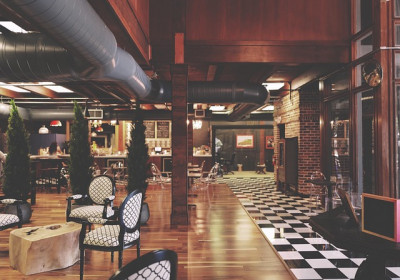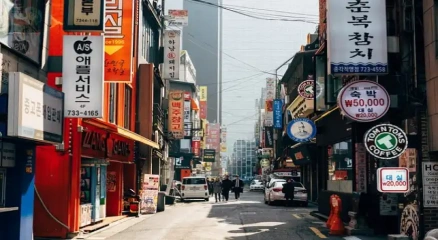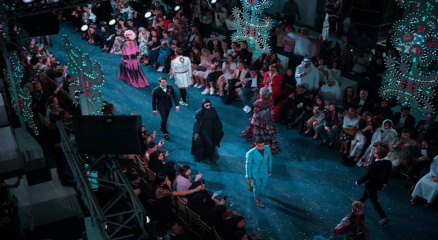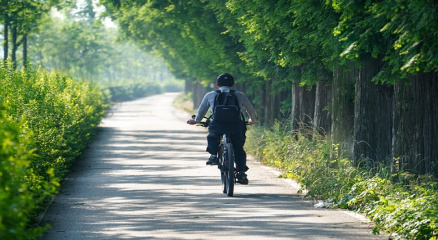
In an increasingly visual world, photography has evolved far beyond a hobby—it has become a powerful tool of connection, identity, and even resistance. From the alleyways of Marrakech to the streets of Tokyo, people around the globe are using photography to capture their realities, share their truths, and reimagine how we see the world. In 2025, the art of photography is no longer limited to professionals or those with expensive equipment. With powerful cameras embedded in nearly every smartphone and editing apps accessible to all, the global population has become a generation of storytellers. New Language of Expression Photography has become the most universal visual language—transcending borders, politics, and even spoken words. A single image can spark movements, ignite conversations, and bring attention to marginalized voices. From the war-torn zones of Gaza and Ukraine to peaceful protests in Europe and climate marches in South America, everyday citizens are documenting history in real time. These raw, unfiltered images often make their way to global audiences faster than traditional news media. "The smartphone is the new pen," says French photojournalist Camille Laurent. "People don’t just take photos—they share their worldviews." The Rise of Visual Identity In cities like New York, Seoul, and Berlin, photography has become deeply intertwined with personal branding. On platforms like Instagram and Threads, visuals are the currency of influence. Whether it’s fashion, travel, activism, or mental health, photography is the lens through which individuals craft and project their identity. This has also sparked a global aesthetic—where minimalist cafes in Istanbul resemble those in Paris, and sunlit "golden hour" selfies are universal. Yet within this visual sameness, cultural uniqueness is also being celebrated. Photographers are reclaiming their heritage—using traditional attire, rural landscapes, and local rituals to tell stories that challenge stereotypes and global homogenization. AI, Ethics & The Future As artificial intelligence blends with photography, questions of ethics and authenticity are surfacing. AI-generated portraits and edited realities raise concerns about truth, body image, and media manipulation. Yet, at the same time, AI tools are empowering more people to create stunning visuals without formal training—democratizing creativity in ways never imagined. "We’re entering an era where the line between photography and digital art is blurring," notes Japanese visual artist Rei Nakamura. "But the emotion behind the image still matters most." A Global Bond In refugee camps in Jordan, schoolchildren are given disposable cameras to capture their lives. In Scandinavian forests, nature photographers use drones to document wildlife. On African coastlines, photographers are preserving indigenous stories that were never written down. Despite the diversity of context, one thing is clear: photography connects humanity. It offers empathy. It builds bridges. In the words of American photographer Dorothea Lange, "Photography takes an instant out of time, altering life by holding it still." And today, more than ever, the world is watching—frame by frame.

In an increasingly visual world, photography has evolved far beyond a hobby—it has become a powerful tool of connection, identity, and even resistance. From the alleyways of Marrakech to the streets of Tokyo, people around the globe are using photography to capture their realities, share their truths, and reimagine how we see the world. In 2025, the art of photography is no longer limited to professionals or those with expensive equipment. With powerful cameras embedded in nearly every smartphone and editing apps accessible to all, the global population has become a generation of storytellers. A New Language of Expression Photography has become the most universal visual language—transcending borders, politics, and even spoken words. A single image can spark movements, ignite conversations, and bring attention to marginalised voices. From the war-torn zones of Gaza and Ukraine to peaceful protests in Europe and climate marches in South America, everyday citizens are documenting history in real time. These raw, unfiltered images often make their way to global audiences faster than traditional news media. "The smartphone is the new pen," says French photojournalist Camille Laurent. "People don’t just take photos—they share their worldviews." The Rise of Visual Identity In cities like New York, Seoul, and Berlin, photography has become deeply intertwined with personal branding. On platforms like Instagram and Threads, visuals are the currency of influence. Whether it’s fashion, travel, activism, or mental health, photography is the lens through which individuals craft and project their identity. This has also sparked a global aesthetic—where minimalist cafes in Istanbul resemble those in Paris, and sunlit "golden hour" selfies are universal. Yet within this visual sameness, cultural uniqueness is also being celebrated. Photographers are reclaiming their heritage—using traditional attire, rural landscapes, and local rituals to tell stories that challenge stereotypes and global homogenisation. AI, Ethics & The Future As artificial intelligence blends with photography, questions of ethics and authenticity are surfacing. AI-generated portraits and edited realities raise concerns about truth, body image, and media manipulation. Yet, at the same time, AI tools are empowering more people to create stunning visuals without formal training—democratising creativity in ways never imagined. "We're entering an era where the line between photography and digital art is blurring," notes Japanese visual artist Rei Nakamura. "But the emotion behind the image still matters most." A Global Bond In refugee camps in Jordan, schoolchildren are given disposable cameras to capture their lives. In Scandinavian forests, nature photographers use drones to document wildlife. On African coastlines, photographers are preserving indigenous stories that were never written down. Despite the diversity of context, one thing is clear: photography connects humanity. It offers empathy. It builds bridges. In the words of American photographer Dorothea Lange, "Photography takes an instant out of time, altering life by holding it still." And today, more than ever, the world is watching—frame by frame.

In an increasingly visual world, photography has evolved far beyond a hobby—it has become a powerful tool of connection, identity, and even resistance. From the alleyways of Marrakech to the streets of Tokyo, people around the globe are using photography to capture their realities, share their truths, and reimagine how we see the world. In 2025, the art of photography is no longer limited to professionals or those with expensive equipment. With powerful cameras embedded in nearly every smartphone and editing apps accessible to all, the global population has become a generation of storytellers. A New Language of Expression Photography has become the most universal visual language—transcending borders, politics, and even spoken words. A single image can spark movements, ignite conversations, and bring attention to marginalised voices. From the war-torn zones of Gaza and Ukraine to peaceful protests in Europe and climate marches in South America, everyday citizens are documenting history in real time. These raw, unfiltered images often make their way to global audiences faster than traditional news media. "The smartphone is the new pen," says French photojournalist Camille Laurent. "People don’t just take photos—they share their worldviews." The Rise of Visual Identity In cities like New York, Seoul, and Berlin, photography has become deeply intertwined with personal branding. On platforms like Instagram and Threads, visuals are the currency of influence. Whether it’s fashion, travel, activism, or mental health, photography is the lens through which individuals craft and project their identity. This has also sparked a global aesthetic—where minimalist cafes in Istanbul resemble those in Paris, and sunlit "golden hour" selfies are universal. Yet within this visual sameness, cultural uniqueness is also being celebrated. Photographers are reclaiming their heritage—using traditional attire, rural landscapes, and local rituals to tell stories that challenge stereotypes and global homogenisation. AI, Ethics & The Future As artificial intelligence blends with photography, questions of ethics and authenticity are surfacing. AI-generated portraits and edited realities raise concerns about truth, body image, and media manipulation. Yet, at the same time, AI tools are empowering more people to create stunning visuals without formal training—democratising creativity in ways never imagined. "We're entering an era where the line between photography and digital art is blurring," notes Japanese visual artist Rei Nakamura. "But the emotion behind the image still matters most." A Global Bond In refugee camps in Jordan, schoolchildren are given disposable cameras to capture their lives. In Scandinavian forests, nature photographers use drones to document wildlife. On African coastlines, photographers are preserving indigenous stories that were never written down. Despite the diversity of context, one thing is clear: photography connects humanity. It offers empathy. It builds bridges. In the words of American photographer Dorothea Lange, "Photography takes an instant out of time, altering life by holding it still." And today, more than ever, the world is watching—frame by frame.

In an increasingly visual world, photography has evolved far beyond a hobby—it has become a powerful tool of connection, identity, and even resistance. From the alleyways of Marrakech to the streets of Tokyo, people around the globe are using photography to capture their realities, share their truths, and reimagine how we see the world. In 2025, the art of photography is no longer limited to professionals or those with expensive equipment. With powerful cameras embedded in nearly every smartphone and editing apps accessible to all, the global population has become a generation of storytellers. A New Language of Expression Photography has become the most universal visual language—transcending borders, politics, and even spoken words. A single image can spark movements, ignite conversations, and bring attention to marginalised voices. From the war-torn zones of Gaza and Ukraine to peaceful protests in Europe and climate marches in South America, everyday citizens are documenting history in real time. These raw, unfiltered images often make their way to global audiences faster than traditional news media. "The smartphone is the new pen," says French photojournalist Camille Laurent. "People don’t just take photos—they share their worldviews." The Rise of Visual Identity In cities like New York, Seoul, and Berlin, photography has become deeply intertwined with personal branding. On platforms like Instagram and Threads, visuals are the currency of influence. Whether it’s fashion, travel, activism, or mental health, photography is the lens through which individuals craft and project their identity. This has also sparked a global aesthetic—where minimalist cafes in Istanbul resemble those in Paris, and sunlit "golden hour" selfies are universal. Yet within this visual sameness, cultural uniqueness is also being celebrated. Photographers are reclaiming their heritage—using traditional attire, rural landscapes, and local rituals to tell stories that challenge stereotypes and global homogenisation. AI, Ethics & The Future As artificial intelligence blends with photography, questions of ethics and authenticity are surfacing. AI-generated portraits and edited realities raise concerns about truth, body image, and media manipulation. Yet, at the same time, AI tools are empowering more people to create stunning visuals without formal training—democratising creativity in ways never imagined. "We're entering an era where the line between photography and digital art is blurring," notes Japanese visual artist Rei Nakamura. "But the emotion behind the image still matters most." A Global Bond In refugee camps in Jordan, schoolchildren are given disposable cameras to capture their lives. In Scandinavian forests, nature photographers use drones to document wildlife. On African coastlines, photographers are preserving indigenous stories that were never written down. Despite the diversity of context, one thing is clear: photography connects humanity. It offers empathy. It builds bridges. In the words of American photographer Dorothea Lange, "Photography takes an instant out of time, altering life by holding it still." And today, more than ever, the world is watching—frame by frame.
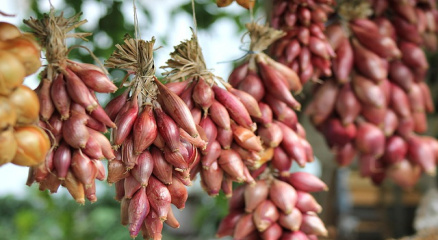
In an increasingly visual world, photography has evolved far beyond a hobby—it has become a powerful tool of connection, identity, and even resistance. From the alleyways of Marrakech to the streets of Tokyo, people around the globe are using photography to capture their realities, share their truths, and reimagine how we see the world. In 2025, the art of photography is no longer limited to professionals or those with expensive equipment. With powerful cameras embedded in nearly every smartphone and editing apps accessible to all, the global population has become a generation of storytellers. A New Language of Expression Photography has become the most universal visual language—transcending borders, politics, and even spoken words. A single image can spark movements, ignite conversations, and bring attention to marginalized voices.From the war-torn zones of Gaza and Ukraine to peaceful protests in Europe and climate marches in South America, everyday citizens are documenting history in real time. These raw, unfiltered images often make their way to global audiences faster than traditional news media."The smartphone is the new pen," says French photojournalist Camille Laurent. "People don’t just take photos—they share their worldviews." The Rise of Visual Identity In cities like New York, Seoul, and Berlin, photography has become deeply intertwined with personal branding. On platforms like Instagram and Threads, visuals are the currency of influence. Whether it’s fashion, travel, activism, or mental health, photography is the lens through which individuals craft and project their identity. This has also sparked a global aesthetic—where minimalist cafes in Istanbul resemble those in Paris, and sunlit "golden hour" selfies are universal. Yet within this visual sameness, cultural uniqueness is also being celebrated. Photographers are reclaiming their heritage—using traditional attire, rural landscapes, and local rituals to tell stories that challenge stereotypes and global homogenization. AI, Ethics & The Future As artificial intelligence blends with photography, questions of ethics and authenticity are surfacing. AI-generated portraits and edited realities raise concerns about truth, body image, and media manipulation. Yet, at the same time, AI tools are empowering more people to create stunning visuals without formal training—democratizing creativity in ways never imagined. "We’re entering an era where the line between photography and digital art is blurring," notes Japanese visual artist Rei Nakamura. "But the emotion behind the image still matters most." A Global Bond In refugee camps in Jordan, schoolchildren are given disposable cameras to capture their lives. In Scandinavian forests, nature photographers use drones to document wildlife. On African coastlines, photographers are preserving indigenous stories that were never written down. Despite the diversity of context, one thing is clear: photography connects humanity. It offers empathy. It builds bridges. In the words of American photographer Dorothea Lange, "Photography takes an instant out of time, altering life by holding it still." And today, more than ever, the world is watching—frame by frame.
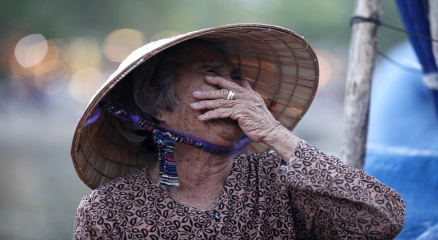
In an increasingly visual world, photography has evolved far beyond a hobby—it has become a powerful tool of connection, identity, and even resistance. From the alleyways of Marrakech to the streets of Tokyo, people around the globe are using photography to capture their realities, share their truths, and reimagine how we see the world. In 2025, the art of photography is no longer limited to professionals or those with expensive equipment. With powerful cameras embedded in nearly every smartphone and editing apps accessible to all, the global population has become a generation of storytellers. A New Language of Expression Photography has become the most universal visual language—transcending borders, politics, and even spoken words. A single image can spark movements, ignite conversations, and bring attention to marginalised voices. From the war-torn zones of Gaza and Ukraine to peaceful protests in Europe and climate marches in South America, everyday citizens are documenting history in real time. These raw, unfiltered images often make their way to global audiences faster than traditional news media. "The smartphone is the new pen," says French photojournalist Camille Laurent. "People don’t just take photos—they share their worldviews." The Rise of Visual Identity In cities like New York, Seoul, and Berlin, photography has become deeply intertwined with personal branding. On platforms like Instagram and Threads, visuals are the currency of influence. Whether it’s fashion, travel, activism, or mental health, photography is the lens through which individuals craft and project their identity. This has also sparked a global aesthetic—where minimalist cafes in Istanbul resemble those in Paris, and sunlit "golden hour" selfies are universal. Yet within this visual sameness, cultural uniqueness is also being celebrated. Photographers are reclaiming their heritage—using traditional attire, rural landscapes, and local rituals to tell stories that challenge stereotypes and global homogenisation. AI, Ethics & The Future As artificial intelligence blends with photography, questions of ethics and authenticity are surfacing. AI-generated portraits and edited realities raise concerns about truth, body image, and media manipulation. Yet, at the same time, AI tools are empowering more people to create stunning visuals without formal training—democratising creativity in ways never imagined. "We're entering an era where the line between photography and digital art is blurring," notes Japanese visual artist Rei Nakamura. "But the emotion behind the image still matters most." A Global Bond In refugee camps in Jordan, schoolchildren are given disposable cameras to capture their lives. In Scandinavian forests, nature photographers use drones to document wildlife. On African coastlines, photographers are preserving indigenous stories that were never written down. Despite the diversity of context, one thing is clear: photography connects humanity. It offers empathy. It builds bridges. In the words of American photographer Dorothea Lange, "Photography takes an instant out of time, altering life by holding it still." And today, more than ever, the world is watching—frame by frame.


In an increasingly visual world, photography has evolved far beyond a hobby—it has become a powerful tool of connection, identity, and even resistance. From the alleyways of Marrakech to the streets of Tokyo, people around the globe are using photography to capture their realities, share their truths, and reimagine how we see the world. In 2025, the art of photography is no longer limited to professionals or those with expensive equipment. With powerful cameras embedded in nearly every smartphone and editing apps accessible to all, the global population has become a generation of storytellers. A New Language of Expression Photography has become the most universal visual language—transcending borders, politics, and even spoken words. A single image can spark movements, ignite conversations, and bring attention to marginalized voices. From the war-torn zones of Gaza and Ukraine to peaceful protests in Europe and climate marches in South America, everyday citizens are documenting history in real time. These raw, unfiltered images often make their way to global audiences faster than traditional news media. "The smartphone is the new pen," says French photojournalist Camille Laurent. "People don’t just take photos—they share their worldviews." The Rise of Visual Identity In cities like New York, Seoul, and Berlin, photography has become deeply intertwined with personal branding. On platforms like Instagram and Threads, visuals are the currency of influence. Whether it’s fashion, travel, activism, or mental health, photography is the lens through which individuals craft and project their identity. This has also sparked a global aesthetic—where minimalist cafes in Istanbul resemble those in Paris, and sunlit "golden hour" selfies are universal. Yet within this visual sameness, cultural uniqueness is also being celebrated. Photographers are reclaiming their heritage—using traditional attire, rural landscapes, and local rituals to tell stories that challenge stereotypes and global homogenization. AI, Ethics & The Future As artificial intelligence blends with photography, questions of ethics and authenticity are surfacing. AI-generated portraits and edited realities raise concerns about truth, body image, and media manipulation. Yet, at the same time, AI tools are empowering more people to create stunning visuals without formal training—democratizing creativity in ways never imagined. "We’re entering an era where the line between photography and digital art is blurring," notes Japanese visual artist Rei Nakamura. "But the emotion behind the image still matters most." A Global Bond In refugee camps in Jordan, schoolchildren are given disposable cameras to capture their lives. In Scandinavian forests, nature photographers use drones to document wildlife. On African coastlines, photographers are preserving indigenous stories that were never written down. Despite the diversity of context, one thing is clear: photography connects humanity. It offers empathy. It builds bridges. In the words of American photographer Dorothea Lange, "Photography takes an instant out of time, altering life by holding it still." And today, more than ever, the world is watching—frame by frame.
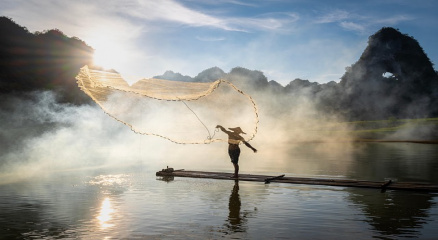
In an increasingly visual world, photography has evolved far beyond a hobby—it has become a powerful tool of connection, identity, and even resistance. From the alleyways of Marrakech to the streets of Tokyo, people around the globe are using photography to capture their realities, share their truths, and reimagine how we see the world. In 2025, the art of photography is no longer limited to professionals or those with expensive equipment. With powerful cameras embedded in nearly every smartphone and editing apps accessible to all, the global population has become a generation of storytellers. A New Language of Expression Photography has become the most universal visual language—transcending borders, politics, and even spoken words. A single image can spark movements, ignite conversations, and bring attention to marginalized voices. From the war-torn zones of Gaza and Ukraine to peaceful protests in Europe and climate marches in South America, everyday citizens are documenting history in real time. These raw, unfiltered images often make their way to global audiences faster than traditional news media. "The smartphone is the new pen," says French photojournalist Camille Laurent. "People don’t just take photos—they share their worldviews." The Rise of Visual Identity In cities like New York, Seoul, and Berlin, photography has become deeply intertwined with personal branding. On platforms like Instagram and Threads, visuals are the currency of influence. Whether it’s fashion, travel, activism, or mental health, photography is the lens through which individuals craft and project their identity. This has also sparked a global aesthetic—where minimalist cafes in Istanbul resemble those in Paris, and sunlit "golden hour" selfies are universal. Yet within this visual sameness, cultural uniqueness is also being celebrated. Photographers are reclaiming their heritage—using traditional attire, rural landscapes, and local rituals to tell stories that challenge stereotypes and global homogenization. AI, Ethics & The Future As artificial intelligence blends with photography, questions of ethics and authenticity are surfacing. AI-generated portraits and edited realities raise concerns about truth, body image, and media manipulation. Yet, at the same time, AI tools are empowering more people to create stunning visuals without formal training—democratizing creativity in ways never imagined. "We’re entering an era where the line between photography and digital art is blurring," notes Japanese visual artist Rei Nakamura. "But the emotion behind the image still matters most." A Global Bond In refugee camps in Jordan, schoolchildren are given disposable cameras to capture their lives. In Scandinavian forests, nature photographers use drones to document wildlife. On African coastlines, photographers are preserving indigenous stories that were never written down. Despite the diversity of context, one thing is clear: photography connects humanity. It offers empathy. It builds bridges. In the words of American photographer Dorothea Lange, "Photography takes an instant out of time, altering life by holding it still." And today, more than ever, the world is watching—frame by frame.

In today’s always-connected world, the concept of stepping away from digital devices has shifted from being a personal challenge to a luxury escape. More people, particularly high-earning professionals and frequent travelers, are now paying for the privilege of disconnecting. The digital detox—once a self-help buzzword—is becoming a high-end experience, offered by luxury resorts, remote lodges, and boutique wellness retreats.The demand for these escapes is growing because digital fatigue is real. On average, individuals check their smartphones over 100 times a day. Between emails, social media notifications, and constant pings from work chats, the pressure to remain available 24/7 is taking a toll on mental health. Many people report burnout, poor sleep, heightened anxiety, and even physical issues like eye strain and poor posture. As awareness grows around these effects, so too does the desire to unplug. Luxury hotels and retreat centers have taken notice. Instead of offering high-speed internet and smart TVs, these places are marketing silence, nature, and disconnection. Some resorts go as far as taking guests’ phones at check-in, offering lockboxes to prevent temptation. Others are located in areas without cell reception altogether, making digital access physically impossible. These experiences are no longer considered basic—they are seen as indulgent, even elite. This trend speaks to a broader cultural shift. In the past, luxury was defined by what you could access—fast internet, instant communication, high-tech devices. Now, it’s also about what you can avoid. To be unreachable, to have no signal, and to spend days without checking emails or social media updates has become a form of status. In fact, telling people you had no Wi-Fi on your vacation is almost a humblebrag in some circles. Aside from the appeal of exclusivity, digital detoxes offer real psychological benefits. People often report improved focus, reduced stress, better sleep, and deeper conversations with travel companions. Without the distraction of screens, guests reconnect with their surroundings, their thoughts, and each other. Even a short break—48 to 72 hours—can reset mental clarity and refresh energy levels. Many people return home more creative, more centered, and more in control of their digital habits. The rise of digital detox as a premium service also ties into the growing wellness economy. Alongside yoga, meditation, and clean eating, digital well-being is now a pillar of a healthy lifestyle. Wellness retreats and spas increasingly include offline activities such as journaling, hiking, forest bathing, or silent meals. The idea is not just to escape technology but to re-learn how to be present without it. Ultimately, digital detox is more than a travel trend—it’s a reflection of changing values. In an age where everything is optimized, connected, and efficient, choosing to slow down and unplug is not a step backward. It’s a deliberate, often expensive, choice to reclaim time, space, and peace of mind. In 2025, luxury is no longer about having everything—it’s about knowing when to shut it all off.
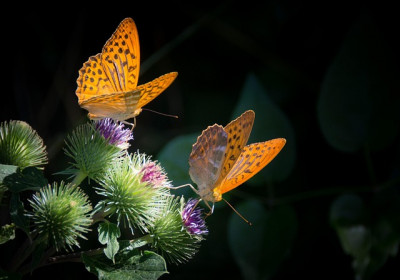
In an increasingly visual world, photography has evolved far beyond a hobby—it has become a powerful tool of connection, identity, and even resistance. From the alleyways of Marrakech to the streets of Tokyo, people around the globe are using photography to capture their realities, share their truths, and reimagine how we see the world. In 2025, the art of photography is no longer limited to professionals or those with expensive equipment. With powerful cameras embedded in nearly every smartphone and editing apps accessible to all, the global population has become a generation of storytellers. A New Language of Expression Photography has become the most universal visual language—transcending borders, politics, and even spoken words. A single image can spark movements, ignite conversations, and bring attention to marginalized voices. From the war-torn zones of Gaza and Ukraine to peaceful protests in Europe and climate marches in South America, everyday citizens are documenting history in real time. These raw, unfiltered images often make their way to global audiences faster than traditional news media. "The smartphone is the new pen," says French photojournalist Camille Laurent. "People don’t just take photos—they share their worldviews." The Rise of Visual Identity In cities like New York, Seoul, and Berlin, photography has become deeply intertwined with personal branding. On platforms like Instagram and Threads, visuals are the currency of influence. Whether it’s fashion, travel, activism, or mental health, photography is the lens through which individuals craft and project their identity. This has also sparked a global aesthetic—where minimalist cafes in Istanbul resemble those in Paris, and sunlit "golden hour" selfies are universal. Yet within this visual sameness, cultural uniqueness is also being celebrated. Photographers are reclaiming their heritage—using traditional attire, rural landscapes, and local rituals to tell stories that challenge stereotypes and global homogenization. AI, Ethics & The Future As artificial intelligence blends with photography, questions of ethics and authenticity are surfacing. AI-generated portraits and edited realities raise concerns about truth, body image, and media manipulation. Yet, at the same time, AI tools are empowering more people to create stunning visuals without formal training—democratizing creativity in ways never imagined. "We’re entering an era where the line between photography and digital art is blurring," notes Japanese visual artist Rei Nakamura. "But the emotion behind the image still matters most." A Global Bond In refugee camps in Jordan, schoolchildren are given disposable cameras to capture their lives. In Scandinavian forests, nature photographers use drones to document wildlife. On African coastlines, photographers are preserving indigenous stories that were never written down. Despite the diversity of context, one thing is clear: photography connects humanity. It offers empathy. It builds bridges. In the words of American photographer Dorothea Lange, "Photography takes an instant out of time, altering life by holding it still." And today, more than ever, the world is watching—frame by frame.
In the age of smartphones and social media, photography is no longer just an art—it's a lifestyle. From school students in Rajshahi to digital nomads in Sylhet, people across Bangladesh are using photography as a form of self-expression, storytelling, and even activism. What was once seen as a specialized skill is now a part of daily routine. Whether it's capturing street life with a mobile camera or doing portrait shoots with a DSLR, photography has become an essential language in modern life. "Taking pictures used to be reserved for weddings and formal events," says Ahsan Habib, a 26-year-old freelance photographer. "Now, it’s a way of documenting emotions, sharing perspectives, and even earning a living." The Rise of Visual Storytelling Platforms like Instagram, Facebook, and even TikTok have turned photography into a cultural currency. A well-composed photo can go viral, inspire debate, or spark trends overnight. In rural areas, mobile photography is bridging the gap between city and village, giving people a chance to share their stories with the world. In urban centers, photo walks and rooftop portrait sessions are becoming common weekend plans for youth. "Photography has helped me become more aware of my surroundings," says Samira Akhtar, a university student in Dhaka. "Now I notice light, color, and emotion in the smallest things." Professional vs. Passion With the growing interest in visual content, many young Bangladeshis are turning their hobby into a side income. Wedding photography, product shoots for small businesses, and real estate photography are rising in demand. Online platforms like Pathshala South Asian Media Institute and Udemy are offering courses on mobile photography, editing, and lighting techniques, making professional skills accessible to all. Meanwhile, photo contests and exhibitions are encouraging creative youth to showcase their talent. Even NGOs and news agencies are hiring local photographers to capture raw, real-time moments in underrepresented communities. Photography as Therapy Mental health professionals are now promoting photography as a therapeutic activity. "It helps people slow down and focus on the present moment," says Dr. Naimur Rahman, a psychologist. "Photography can reduce stress, build confidence, and improve emotional awareness." The Future Clicks With AI, drones, and 360° cameras entering the scene, the future of photography in Bangladesh is more exciting than ever. Yet, at its core, photography remains deeply human—a way to connect, remember, and feel. As Ahsan puts it, "A photograph is not just a picture. It’s a voice without sound—and sometimes, it speaks louder than words."

As global health trends evolve, a surprising shift is happening right here at home: Bangladeshi superfoods, once dismissed as "old-fashioned," are regaining popularity among health-conscious youth and wellness experts. Items like kalijira (black cumin), methi (fenugreek), amla (Indian gooseberry), and shutki (dried fish) are making their way from grandmothers’ kitchens to trendy health cafés and urban grocery stores. "We used to overlook these ingredients in favor of imported supplements," says Nayeem Hassan, a 34-year-old nutritionist and co-founder of Wellness Dhaka, a local health consultancy. "Now we’re realizing the power of our own food heritage." At Roots & Rituals, a new café in Dhanmondi, items like kalijira-infused parathas and amla smoothies are becoming top sellers. The café promotes clean eating by blending traditional wisdom with modern presentation. Why the Shift? Many urbanites are growing tired of processed food and artificial diets. Influencers, fitness coaches, and even some physicians are promoting a return to "ancestral nutrition"—natural, local, and affordable. "Kalijira is a powerful anti-inflammatory," explains Dr. Saima Noor, an integrative health specialist. "Combined with turmeric, it becomes a potent immunity booster—something we all became more aware of during COVID-19." The movement is also about identity. Young Bangladeshis are seeking ways to connect with their roots, not just through fashion and music, but through food. TikTok and Instagram are buzzing with #DeshiWellness trends—showing easy recipes like methi tea for digestion, roasted shutki with olive oil for protein, and shorbot made with local fruits instead of sugary sodas. Is It Just a Trend? Experts believe this is more than a passing phase. As Bangladesh’s middle class grows more health-conscious, the demand for affordable, accessible superfoods will likely continue. "The solutions to better health may not lie in a foreign bottle," says Nayeem. "They might be right inside your own kitchen rack." Whether it’s for health, heritage, or simple taste, traditional Bangladeshi ingredients are making a modern comeback—one dish at a time.

In the heart of Bangladesh’s fast-paced capital, a quiet revolution is taking place. Young professionals and millennials in Dhaka are increasingly embracing the global ‘slow living’ movement—choosing mindfulness, minimalism, and quality time over consumerism and constant hustle. From cozy book cafés in Dhanmondi to weekend pottery classes in Banani, urban dwellers are creating intentional pauses in their busy routines. This shift, many say, is about regaining control over their time and well-being. "I used to feel guilty for not being productive 24/7," says Rifa Mahmud, a 29-year-old graphic designer. "But now I’ve realized that slowing down helps me think clearer and live better." The slow living trend, popularized in the West through movements like hygge in Denmark or lagom in Sweden, has taken on a unique Bangladeshi twist. Locals are reviving traditional leisure activities—such as rooftop gardening, handcrafts, and reading Bangla literature—as part of this lifestyle shift. Retailers and cafés are also adapting. Businesses like The Lotus Lounge in Gulshan offer "no WiFi" zones to encourage conversation and relaxation. Homegrown brands are launching minimalist, eco-conscious clothing lines and locally made wellness products. Mental health experts applaud the trend, noting that Dhaka’s intense work culture and traffic stress contribute to burnout. "Slow living offers a necessary mental detox," says Dr. Tanjina Rahman, a clinical psychologist. "It’s not laziness—it’s survival with intention." Even social media is feeling the change. Influencers are switching gears from promoting luxury lifestyles to sharing moments of stillness, journaling, or slow food recipes. What’s Next? With growing awareness, the slow living movement is expected to grow, especially among the educated middle class. While challenges remain—such as the culture of overtime and digital overload—many believe this new mindset is here to stay. "Slowing down doesn’t mean giving up," says Rifa. "It means living with meaning."
In 2025, lifestyle is less about luxury and more about balance — between screens and silence, speed and stillness, consumption and sustainability. Around the globe, people are rethinking how they live, work, dress, and even breathe. Here are the top lifestyle trends and shifts redefining daily life today: 🧠 1. Digital Detoxing Is the New Luxury With burnout on the rise, more people are choosing "dopamine detox days" — 24-hour breaks from screens, social media, and even smart devices. Wellness resorts from Bali to Barcelona now offer “digital silence zones,” where phones are locked away, and mindfulness is practiced in its purest form. 📝 Fun Fact: A recent global survey shows that 58% of Gen Z are limiting screen time to under 4 hours on weekends. 🌱 2. Eco-Minimalism Replaces Fast Fashion Fashion is going slow — and sustainable. In 2025, more people are buying fewer but higher-quality clothes. Local brands, upcycled fabrics, and even digital fashion (yes, for your avatar) are in high demand. Capsule wardrobes are trendy again — think fewer than 30 pieces per season. ♻️ Spotlight Brand: “ThreadAgain,” a Bangladeshi startup, is gaining global attention for turning old saris into stunning modern wear. 🏡 3. Work-Life Spaces Go Hybrid The work-from-home model has evolved. Now, most homes feature zoned living: areas optimized for productivity, relaxation, or socialization. Smart lighting, standing desks, noise-canceling panels, and nature-inspired interior design are becoming essentials — not extras. 🪴 Top Tip: Adding even one indoor plant to your workspace can reduce stress levels by up to 40%, studies say. 🍲 4. ‘Food as Medicine’ Gets Mainstream Wellness is now being served on the plate. From gut-friendly fermented foods to brain-boosting herbs like ashwagandha and lion’s mane, diets are more intentional than ever. In cities like Dhaka, Dubai, and Singapore, "functional cafés" are popping up — where turmeric lattes and collagen smoothies are daily staples. 🍋 Try This: Warm lemon water with chia seeds every morning — it’s a 2025 favorite for digestion and hydration. 🌍 5. Living Local, Thinking Global Whether it’s shopping from neighborhood farmers' markets, joining local book clubs, or volunteering weekly, people are reclaiming community. But thanks to global connectivity, they’re also learning yoga from India, cooking Korean dishes, and sharing stories with strangers in seconds. 🤝 Quote of the Week: “The future of lifestyle is both inward and outward — calm within, connected beyond.” — Aditi Rahman, lifestyle psychologist. ✨ Final Thought The way we live today isn’t just about trends — it’s about intention. Lifestyle in 2025 is a conscious choice to slow down, simplify, and seek meaning in the everyday. Whether you’re starting small with a 10-minute morning routine or switching to organic groceries, remember — change starts at home. What’s one lifestyle habit you’ve changed this year? Drop a comment below — or share this article with a friend who needs a little life refresh.

In the pursuit of knowledge, studying becomes a transformative experience. It stretches our minds, pushing the boundaries of our understanding. It invites us to explore new disciplines, to embrace unfamiliar perspectives, and to challenge preconceived notions. With each subject we delve into, we gain a broader worldview, a deeper empathy for others, and a heightened sense of curiosity. Studying is not always an easy path. It requires discipline, perseverance, and dedication. There are moments of frustration, when concepts seem elusive, and information feels overwhelming. But it is through these challenges that we grow, developing resilience and the ability to overcome obstacles. The struggles we face in our studies shape us into more resilient individuals, equipping us with the tools to tackle future endeavors. Yet, studying is not solely an individual pursuit. It is a collaborative endeavor, where ideas are shared, debates are sparked, and collective knowledge is built. Engaging in group discussions, collaborating on projects, and seeking guidance from mentors and peers enhance our learning experience. Together, we forge connections, cultivate diverse perspectives, and foster a community of lifelong learners. Studying also kindles the flame of curiosity within us. It instills a hunger for discovery, for unraveling the mysteries of the universe. It ignites a desire to explore, to seek answers to the questions that pique our interest. Through studying, we embark on a continuous journey of growth, for there is always more to learn, to question, and to understand.

The sea's charm extends beyond its surface, diving into the depths of its mysterious underwater realm. Through underwater photography, a whole new world unfolds. Vibrant coral reefs teeming with life, graceful marine creatures gliding through the water, and the play of light and shadows beneath the surface create captivating images that transport viewers into an ethereal world. Photographing the sea requires patience, an eye for detail, and an understanding of its ever-changing nature. It demands the ability to anticipate the perfect moment, to capture the interplay of elements in a single frame. Whether it's the graceful flight of seagulls against a sunset sky, a lone surfer riding a towering wave, or the delicate patterns left by receding tides on the sandy shore, each image tells a story of the sea's eternal allure. Through photography, we not only capture the sea's beauty but also raise awareness about its fragility. The lens becomes a tool for conservation, shedding light on environmental issues and urging viewers to appreciate and protect these precious marine ecosystems. By showcasing the sea's wonders, we inspire others to cherish and preserve these invaluable natural resources for generations to come. The sea and photography share a symbiotic relationship, with the lens capturing the sea's magnificence while the sea, in turn, stirs the photographer's creativity and passion. It is a dynamic interplay, an ongoing dialogue between artist and subject, revealing the depths of both the sea and the human spirit.
Global stock markets remained mixed today as investors weighed fresh U.S. inflation data, corporate earnings reports, and the ongoing economic uncertainty in China and Europe. The U.S. stock market opened slightly higher on Monday morning, with the Dow Jones Industrial Average rising 0.4%, the S&P 500 climbing 0.3%, and the Nasdaq Composite gaining 0.5% in early trading. Investors responded positively to June's U.S. Consumer Price Index (CPI) report, which showed inflation cooling slightly to an annual rate of 3.0%, down from 3.3% in May."Markets are optimistic that the Federal Reserve may pause or even cut interest rates by the fall," said Lisa Raymond, chief analyst at Morgan & Co. "But it's still a wait-and-see situation, especially with more earnings coming this week." Wall Street Opens Higher Dow +0.4%, S&P 500 +0.3%, Nasdaq +0.5% on Monday morning. Boosted by June CPI showing inflation cooled to 3.0% (down from 3.3%). Hopes rise for potential Fed rate cut or pause by fall. The U.S. stock market opened slightly higher on Monday morning, with the Dow Jones Industrial Average rising 0.4%, the S&P 500 climbing 0.3%, and the Nasdaq Composite gaining 0.5% in early trading. Investors responded positively to June's U.S. Consumer Price Index (CPI) report, which showed inflation cooling slightly to an annual rate of 3.0%, down from 3.3% in May. "Markets are optimistic that the Federal Reserve may pause or even cut interest rates by the fall," said Lisa Raymond, chief analyst at Morgan & Co. "But it's still a wait-and-see situation, especially with more earnings coming this week." Tech Leads the Way Technology stocks led the gains in the U.S., with Apple (AAPL) up 1.8% and Nvidia (NVDA) jumping 2.4%, as demand for AI and semiconductors remains strong. Tesla (TSLA) also rebounded, rising 3.1% after announcing better-than-expected Q2 vehicle deliveries. Global stock markets showed a mixed performance as investors weighed persistent inflation concerns against a wave of corporate earnings reports. While strong results from major tech companies helped lift some indexes, uncertainty surrounding central bank policies and the future path of interest rates kept others in check. In the U.S., Europe Struggles on Growth Concerns Meanwhile, European markets showed little movement, with the FTSE 100 in London flat and Germany’s DAX down 0.2%. Investors remain concerned about weak industrial output and rising energy costs across the Eurozone.“The European economy is showing signs of fatigue,” said Carla Dupont, economist at BNP Paribas. “High borrowing costs and geopolitical tensions are dragging down business activity.”Global stock markets showed a mixed performance as investors weighed persistent inflation concerns against a wave of corporate earnings reports. While strong results from major tech companies helped lift some indexes, uncertainty surrounding central bank policies and the future path of interest rates kept others in check. In the U.S., Market Performance Summary Table Region Index/Company Movement (%) Key Driver USA Dow Jones +0.4% Positive CPI report (3.0% inflation) S&P 500 +0.3% Rate cut optimism Nasdaq +0.5% Tech stock gains Apple (AAPL) +1.8% Strong AI demand Nvidia (NVDA) +2.4% Semiconductor growth Tesla (TSLA) +3.1% Strong Q2 deliveries Europe FTSE 100 (UK) 0.0% Flat due to economic uncertainty DAX (Germany) -0.2% Weak industrial output, high energy costs Asia Nikkei 225 (Japan) +0.6% Strong export performance Shanghai Composite -1.2% Property sector risks, low consumer spending Asia Mixed as Chinese Markets Slump In Asia, markets showed mixed results. Japan’s Nikkei 225 gained 0.6%, supported by strong export data. However, Chinese markets fell sharply, with the Shanghai Composite down 1.2%, as fears about the country’s property sector and sluggish consumer spending persisted. Gains in consumer and tech sectors pushed markets higher, but weaker-than-expected bank earnings and inflation-related jitters limited broader momentum. European markets edged lower as traders grew cautious about global trade tensions and slowing growth indicators, while Asian markets saw mixed results, with Hong Kong posting modest gains and Tokyo slipping slightly. Overall, market sentiment remains cautious as investors await further economic data and guidance from central banks. Looking Ahead Investors are now turning their focus to key corporate earnings this week from major banks like JPMorgan Chase, Goldman Sachs, and Citigroup, as well as tech giants like Netflix and Microsoft. The results are expected to provide a clearer picture of business resilience amid high interest rates and uncertain global demand. Overall, market sentiment remains cautious as investors await further economic data and guidance from central banks.
Tourism Rebounds Strongly in 2025 as Travelers Seek New Adventures Post-Pandemic The global tourism industry has entered a period of remarkable recovery in 2025, following several years of pandemic-related disruption. With the lifting of most travel restrictions, renewed consumer confidence, and a deep craving for exploration, tourism has surged across continents. Experts say this rebound is not merely a return to old patterns, but a reshaping of how people travel, what they value, and how the industry responds. International Travel Reaches Record Levels Countries around the world have seen a significant rise in international arrivals. Popular destinations like France, Thailand, Italy, and Mexico are reporting visitor numbers that not only match but exceed pre-pandemic figures. Airports are bustling, cruise ships are sailing at full capacity, and global airlines have reinstated and even expanded routes. This surge is being driven by both leisure and business travelers eager to reconnect with the world. Tourists Demand Deeper, More Meaningful Experiences Travelers in 2025 are no longer satisfied with generic sightseeing tours. There is a growing demand for immersive experiences—whether it's living with a local family in a remote village, joining a traditional cooking class, or volunteering in conservation projects. This shift reflects a deeper desire for cultural understanding, personal growth, and making lasting memories, rather than just collecting passport stamps. Technology Transforms the Travel Experience Advancements in technology have revolutionized every stage of the travel journey. From AI-powered itinerary planners and mobile boarding passes to biometric check-ins and real-time translation apps, modern travelers are enjoying unprecedented convenience. Virtual reality previews and augmented reality tours are also helping travelers plan smarter and engage more deeply with destinations. Sustainability Becomes a Core Concern Post-pandemic travelers are more environmentally conscious than ever before. Eco-tourism has moved from niche to mainstream, with tourists choosing green-certified hotels, carbon offset flights, and low-impact transport options. Many are also seeking out destinations that emphasize environmental protection, wildlife preservation, and sustainable development. Tour operators and governments are responding by investing in responsible travel infrastructure and education. Flexible Booking and Safety Measures Still Matter Despite the easing of global health threats, travelers remain cautious. Flexible booking policies, free cancellations, and comprehensive travel insurance are considered essential. Tourists also favor destinations with clear safety protocols and reliable healthcare systems. These preferences are shaping the policies of airlines, hotels, and tour agencies, which now compete not only on price and location but on traveler assurance. Domestic and Regional Tourism Remains Strong While international travel has boomed, domestic tourism has also seen steady growth. Many travelers are discovering hidden gems within their own countries—national parks, cultural heritage sites, and lesser-known towns—thanks to local government campaigns and improved transportation networks. Weekend getaways, road trips, and regional cruises are more popular than ever, helping stimulate local economies and reduce pressure on overcrowded hotspots. Travel Trends Are Redefining Industry Standards. From "workcations" that blend business with leisure to solo female travel and multi-generational family trips, the diversity of travel preferences is expanding. Social media continues to influence destination choices, while personalized travel experiences—tailored by data and AI—are raising expectations across the industry. The result is a tourism ecosystem that is more agile, inclusive, and innovative.
In an increasingly visual world, photography has evolved far beyond a hobby—it has become a powerful tool of connection, identity, and even resistance. From the alleyways of Marrakech to the streets of Tokyo, people around the globe are using photography to capture their realities, share their truths, and reimagine how we see the world. In 2025, the art of photography is no longer limited to professionals or those with expensive equipment. With powerful cameras embedded in nearly every smartphone and editing apps accessible to all, the global population has become a generation of storytellers. A New Language of Expression Photography has become the most universal visual language—transcending borders, politics, and even spoken words. A single image can spark movements, ignite conversations, and bring attention to marginalised voices. From the war-torn zones of Gaza and Ukraine to peaceful protests in Europe and climate marches in South America, everyday citizens are documenting history in real time. These raw, unfiltered images often make their way to global audiences faster than traditional news media. "The smartphone is the new pen," says French photojournalist Camille Laurent. "People don’t just take photos—they share their worldviews." The Rise of Visual Identity In cities like New York, Seoul, and Berlin, photography has become deeply intertwined with personal branding. On platforms like Instagram and Threads, visuals are the currency of influence. Whether it’s fashion, travel, activism, or mental health, photography is the lens through which individuals craft and project their identity. This has also sparked a global aesthetic—where minimalist cafes in Istanbul resemble those in Paris, and sunlit "golden hour" selfies are universal. Yet within this visual sameness, cultural uniqueness is also being celebrated. Photographers are reclaiming their heritage—using traditional attire, rural landscapes, and local rituals to tell stories that challenge stereotypes and global homogenisation. AI, Ethics & The Future As artificial intelligence blends with photography, questions of ethics and authenticity are surfacing. AI-generated portraits and edited realities raise concerns about truth, body image, and media manipulation. Yet, at the same time, AI tools are empowering more people to create stunning visuals without formal training—democratising creativity in ways never imagined. "We're entering an era where the line between photography and digital art is blurring," notes Japanese visual artist Rei Nakamura. "But the emotion behind the image still matters most." A Global Bond In refugee camps in Jordan, schoolchildren are given disposable cameras to capture their lives. In Scandinavian forests, nature photographers use drones to document wildlife. On African coastlines, photographers are preserving indigenous stories that were never written down. Despite the diversity of context, one thing is clear: photography connects humanity. It offers empathy. It builds bridges. In the words of American photographer Dorothea Lange, "Photography takes an instant out of time, altering life by holding it still." And today, more than ever, the world is watching—frame by frame.
For the second consecutive day, global stock markets surged, extending a rebound that’s offering investors a much-needed sense of optimism amid a volatile economic landscape. The gains came on the heels of improved economic data, cooling inflation numbers, and rising investor sentiment that central banks could soon begin easing their monetary stance.But what exactly is behind this mini rally? And how long can it last? Here's a breakdown of the key drivers powering the market upswing—and the risks still looming in the background. The S&P 500 climbed 1.3% on Wednesday, while the Dow Jones Industrial Average advanced over 250 points, or 0.7%, closing in the green for the second straight session. The tech-heavy Nasdaq Composite led the way, soaring 1.9% on the back of a strong performance by tech giants like Apple, Microsoft, and Nvidia.European markets mirrored the rally, with the FTSE 100 gaining 1.1% and Germany’s DAX rising 1.6%. Asian indices, including Japan’s Nikkei 225 and Hong Kong’s Hang Seng, also saw notable gains, signaling broad investor confidence. Top Performing Sectors: Technology: Investors returned to high-growth tech names after signs that interest rates may stabilize. Consumer Discretionary: Spending data boosted optimism that consumer demand is still resilient. Financials: Bank shares rose as recession fears eased slightly. One of the biggest tailwinds for this rally is the latest U.S. inflation data. According to the Labor Department, the Consumer Price Index (CPI) rose by just 0.2% in June, lower than the 0.3% expected by analysts. The year-over-year inflation rate dropped to 3.0%, marking the lowest reading in over two years. With the Fed’s July meeting approaching, the softer inflation print could shift expectations toward a more dovish stance—or even a pause in rate hikes altogether. Earnings season is underway, and early results have been encouraging. Several big names, including JPMorgan Chase, PepsiCo, and Delta Airlines, posted stronger-than-expected profits and revenue. PepsiCo raised its full-year guidance after reporting double-digit organic revenue growth. Meanwhile, JPMorgan’s strong loan growth and better-than-expected margins eased fears of a credit crunch in the banking sector. Investor Takeaway: Healthy earnings suggest the corporate sector remains resilient despite macroeconomic headwinds. Forward guidance from companies is also showing cautious optimism, which markets are rewarding. Beijing announced modest stimulus measures to prop up its faltering property sector and consumption. Economic sentiment improved after German industrial production posted a surprise uptick. Crude prices held steady, with Brent trading around $84 per barrel, reflecting both supply concerns and growing expectations of demand recovery. Wall Street analysts are split on whether this rally marks the beginning of a sustained uptrend or just a temporary bounce. Morgan Stanley’s Chief Strategist says the market may be “pricing in a soft landing too early,” warning that corporate earnings might not fully reflect tightening financial conditions. Goldman Sachs, on the other hand, raised its year-end target for the S&P 500, citing “solid labor markets, contained inflation, and stronger-than-expected earnings.” Meanwhile, retail investors have shown renewed interest in equities, with trading volumes on platforms like Robinhood and Fidelity seeing a spike over the past 48 hours. The past two days have given investors something they haven’t had in a while—hope. A combination of cooling inflation, better-than-expected earnings, and easing recession fears has fueled optimism across the board. Yet, as always, the market’s path forward depends on both data and decisions. For now, staying diversified and paying close attention to macro trends remains key. Whether this is the start of a new bull run or just a temporary uptick in a bumpy year, the next few weeks—filled with earnings reports, central bank meetings, and economic data—will provide a clearer picture. Until then, enjoy the rally, but keep your feet on the ground.