James Corbin
Politcal Analyst and Worker

In an age where billionaires and politicians often blur into the same elite ecosystem, the ongoing tension between Donald Trump and Elon Musk stands out as a rare public clash between two of the most influential figures in America. One is a populist ex-president seeking a return to political power, and the other is a tech mogul redefining industries—and increasingly, public discourse. Their conflict is not just personal or political—it reflects a deeper rift over what kind of future America is heading toward.
Donald Trump and Elon Musk are both masters of media manipulation and branding. They command legions of loyal followers, thrive on controversy, and see themselves as visionaries. But their methods and motivations sharply diverge.
Trump's influence lies in mobilizing populist sentiment, dominating traditional and conservative media, and shaping policy through political rhetoric. Musk, on the other hand, uses technological disruption, Twitter (now X), and meme culture to drive conversation—and sometimes chaos.
As both fight for public attention and narrative control, clashes were inevitable. Trump reportedly views Musk as a "phony" who plays both sides politically, while Musk has distanced himself from Trump’s more extreme rhetoric, at times endorsing more centrist or libertarian-leaning policies.
Though Elon Musk has previously voted Democrat, his political trajectory has become more conservative in recent years. He’s spoken out against what he calls the “woke mind virus,” supported Republican candidates in key races, and moved Tesla’s headquarters from California to Texas—a symbolic rejection of progressive regulation.
Yet, despite these leanings, Musk stopped short of fully endorsing Trump in 2024. Instead, he’s floated support for alternative candidates like Ron DeSantis or even hinted at forming a centrist political platform via social media. That ambiguity has infuriated the Trump camp, which views any tech billionaire not fully in their orbit as an adversary.
The most symbolic arena of their rivalry is X—formerly Twitter—where Trump was banned after January 6, 2021. After Musk took over the platform and restored Trump’s account, Trump snubbed the offer by refusing to return, choosing instead to stay on his own platform, Truth Social.
Musk has positioned himself as a “free speech absolutist,” but critics accuse him of enabling disinformation and harassment. Trump’s camp sees Musk’s attempt to play neutral or above the fray as both disloyal and strategically weak—particularly when Trump needs amplification more than ever heading into 2026.
At its core, the Trump-Musk rivalry isn’t just about personalities. It’s about two competing visions of American power.
Trumpism is about raw political dominance, nationalism, and cultural identity.
Muskism is about techno-utopianism, deregulation, and global ambition—with little regard for traditional political norms.
In this sense, their conflict represents a broader struggle between the old guard of populist politics and the new wave of digital-age influence.
It’s unlikely either man will back down. Trump may return to the White House—or remain a disruptive force in the Republican Party. Musk, meanwhile, will continue building satellites, EVs, brain chips, and social media empires.
But their uneasy relationship could have consequences far beyond their personal brands. If their followers clash online and offline, or if policy decisions begin to target tech platforms and innovation spaces, it could fracture parts of the American right and create new cultural fault lines.
Conclusion:
The Trump vs. Musk conflict is more than a media feud. It’s a reflection of America’s uncertain identity in the 21st century—torn between populism and progress, control and chaos, tradition and innovation. Whether this rivalry explodes or simmers, it will remain one of the defining power dramas of our time.
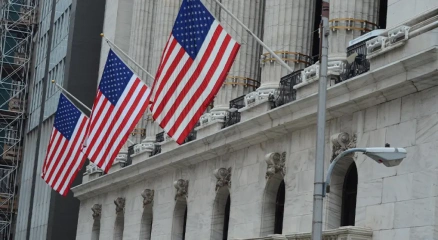
Global stock markets remained mixed today as investors weighed fresh U.S. inflation data, corporate earnings reports, and the ongoing economic uncertainty in China and Europe. The U.S. stock market opened slightly higher on Monday morning, with the Dow Jones Industrial Average rising 0.4%, the S&P 500 climbing 0.3%, and the Nasdaq Composite gaining 0.5% in early trading. Investors responded positively to June's U.S. Consumer Price Index (CPI) report, which showed inflation cooling slightly to an annual rate of 3.0%, down from 3.3% in May."Markets are optimistic that the Federal Reserve may pause or even cut interest rates by the fall," said Lisa Raymond, chief analyst at Morgan & Co. "But it's still a wait-and-see situation, especially with more earnings coming this week." Wall Street Opens Higher Dow +0.4%, S&P 500 +0.3%, Nasdaq +0.5% on Monday morning. Boosted by June CPI showing inflation cooled to 3.0% (down from 3.3%). Hopes rise for potential Fed rate cut or pause by fall. The U.S. stock market opened slightly higher on Monday morning, with the Dow Jones Industrial Average rising 0.4%, the S&P 500 climbing 0.3%, and the Nasdaq Composite gaining 0.5% in early trading. Investors responded positively to June's U.S. Consumer Price Index (CPI) report, which showed inflation cooling slightly to an annual rate of 3.0%, down from 3.3% in May. "Markets are optimistic that the Federal Reserve may pause or even cut interest rates by the fall," said Lisa Raymond, chief analyst at Morgan & Co. "But it's still a wait-and-see situation, especially with more earnings coming this week." Tech Leads the Way Technology stocks led the gains in the U.S., with Apple (AAPL) up 1.8% and Nvidia (NVDA) jumping 2.4%, as demand for AI and semiconductors remains strong. Tesla (TSLA) also rebounded, rising 3.1% after announcing better-than-expected Q2 vehicle deliveries. Global stock markets showed a mixed performance as investors weighed persistent inflation concerns against a wave of corporate earnings reports. While strong results from major tech companies helped lift some indexes, uncertainty surrounding central bank policies and the future path of interest rates kept others in check. In the U.S., Europe Struggles on Growth Concerns Meanwhile, European markets showed little movement, with the FTSE 100 in London flat and Germany’s DAX down 0.2%. Investors remain concerned about weak industrial output and rising energy costs across the Eurozone.“The European economy is showing signs of fatigue,” said Carla Dupont, economist at BNP Paribas. “High borrowing costs and geopolitical tensions are dragging down business activity.”Global stock markets showed a mixed performance as investors weighed persistent inflation concerns against a wave of corporate earnings reports. While strong results from major tech companies helped lift some indexes, uncertainty surrounding central bank policies and the future path of interest rates kept others in check. In the U.S., Market Performance Summary Table Region Index/Company Movement (%) Key Driver USA Dow Jones +0.4% Positive CPI report (3.0% inflation) S&P 500 +0.3% Rate cut optimism Nasdaq +0.5% Tech stock gains Apple (AAPL) +1.8% Strong AI demand Nvidia (NVDA) +2.4% Semiconductor growth Tesla (TSLA) +3.1% Strong Q2 deliveries Europe FTSE 100 (UK) 0.0% Flat due to economic uncertainty DAX (Germany) -0.2% Weak industrial output, high energy costs Asia Nikkei 225 (Japan) +0.6% Strong export performance Shanghai Composite -1.2% Property sector risks, low consumer spending Asia Mixed as Chinese Markets Slump In Asia, markets showed mixed results. Japan’s Nikkei 225 gained 0.6%, supported by strong export data. However, Chinese markets fell sharply, with the Shanghai Composite down 1.2%, as fears about the country’s property sector and sluggish consumer spending persisted. Gains in consumer and tech sectors pushed markets higher, but weaker-than-expected bank earnings and inflation-related jitters limited broader momentum. European markets edged lower as traders grew cautious about global trade tensions and slowing growth indicators, while Asian markets saw mixed results, with Hong Kong posting modest gains and Tokyo slipping slightly. Overall, market sentiment remains cautious as investors await further economic data and guidance from central banks. Looking Ahead Investors are now turning their focus to key corporate earnings this week from major banks like JPMorgan Chase, Goldman Sachs, and Citigroup, as well as tech giants like Netflix and Microsoft. The results are expected to provide a clearer picture of business resilience amid high interest rates and uncertain global demand. Overall, market sentiment remains cautious as investors await further economic data and guidance from central banks.
Tourism Rebounds Strongly in 2025 as Travelers Seek New Adventures Post-Pandemic The global tourism industry has entered a period of remarkable recovery in 2025, following several years of pandemic-related disruption. With the lifting of most travel restrictions, renewed consumer confidence, and a deep craving for exploration, tourism has surged across continents. Experts say this rebound is not merely a return to old patterns, but a reshaping of how people travel, what they value, and how the industry responds. International Travel Reaches Record Levels Countries around the world have seen a significant rise in international arrivals. Popular destinations like France, Thailand, Italy, and Mexico are reporting visitor numbers that not only match but exceed pre-pandemic figures. Airports are bustling, cruise ships are sailing at full capacity, and global airlines have reinstated and even expanded routes. This surge is being driven by both leisure and business travelers eager to reconnect with the world. Tourists Demand Deeper, More Meaningful Experiences Travelers in 2025 are no longer satisfied with generic sightseeing tours. There is a growing demand for immersive experiences—whether it's living with a local family in a remote village, joining a traditional cooking class, or volunteering in conservation projects. This shift reflects a deeper desire for cultural understanding, personal growth, and making lasting memories, rather than just collecting passport stamps. Technology Transforms the Travel Experience Advancements in technology have revolutionized every stage of the travel journey. From AI-powered itinerary planners and mobile boarding passes to biometric check-ins and real-time translation apps, modern travelers are enjoying unprecedented convenience. Virtual reality previews and augmented reality tours are also helping travelers plan smarter and engage more deeply with destinations. Sustainability Becomes a Core Concern Post-pandemic travelers are more environmentally conscious than ever before. Eco-tourism has moved from niche to mainstream, with tourists choosing green-certified hotels, carbon offset flights, and low-impact transport options. Many are also seeking out destinations that emphasize environmental protection, wildlife preservation, and sustainable development. Tour operators and governments are responding by investing in responsible travel infrastructure and education. Flexible Booking and Safety Measures Still Matter Despite the easing of global health threats, travelers remain cautious. Flexible booking policies, free cancellations, and comprehensive travel insurance are considered essential. Tourists also favor destinations with clear safety protocols and reliable healthcare systems. These preferences are shaping the policies of airlines, hotels, and tour agencies, which now compete not only on price and location but on traveler assurance. Domestic and Regional Tourism Remains Strong While international travel has boomed, domestic tourism has also seen steady growth. Many travelers are discovering hidden gems within their own countries—national parks, cultural heritage sites, and lesser-known towns—thanks to local government campaigns and improved transportation networks. Weekend getaways, road trips, and regional cruises are more popular than ever, helping stimulate local economies and reduce pressure on overcrowded hotspots. Travel Trends Are Redefining Industry Standards. From "workcations" that blend business with leisure to solo female travel and multi-generational family trips, the diversity of travel preferences is expanding. Social media continues to influence destination choices, while personalized travel experiences—tailored by data and AI—are raising expectations across the industry. The result is a tourism ecosystem that is more agile, inclusive, and innovative.
For the second consecutive day, global stock markets surged, extending a rebound that’s offering investors a much-needed sense of optimism amid a volatile economic landscape. The gains came on the heels of improved economic data, cooling inflation numbers, and rising investor sentiment that central banks could soon begin easing their monetary stance.But what exactly is behind this mini rally? And how long can it last? Here's a breakdown of the key drivers powering the market upswing—and the risks still looming in the background. The S&P 500 climbed 1.3% on Wednesday, while the Dow Jones Industrial Average advanced over 250 points, or 0.7%, closing in the green for the second straight session. The tech-heavy Nasdaq Composite led the way, soaring 1.9% on the back of a strong performance by tech giants like Apple, Microsoft, and Nvidia.European markets mirrored the rally, with the FTSE 100 gaining 1.1% and Germany’s DAX rising 1.6%. Asian indices, including Japan’s Nikkei 225 and Hong Kong’s Hang Seng, also saw notable gains, signaling broad investor confidence. Top Performing Sectors: Technology: Investors returned to high-growth tech names after signs that interest rates may stabilize. Consumer Discretionary: Spending data boosted optimism that consumer demand is still resilient. Financials: Bank shares rose as recession fears eased slightly. One of the biggest tailwinds for this rally is the latest U.S. inflation data. According to the Labor Department, the Consumer Price Index (CPI) rose by just 0.2% in June, lower than the 0.3% expected by analysts. The year-over-year inflation rate dropped to 3.0%, marking the lowest reading in over two years. With the Fed’s July meeting approaching, the softer inflation print could shift expectations toward a more dovish stance—or even a pause in rate hikes altogether. Earnings season is underway, and early results have been encouraging. Several big names, including JPMorgan Chase, PepsiCo, and Delta Airlines, posted stronger-than-expected profits and revenue. PepsiCo raised its full-year guidance after reporting double-digit organic revenue growth. Meanwhile, JPMorgan’s strong loan growth and better-than-expected margins eased fears of a credit crunch in the banking sector. Investor Takeaway: Healthy earnings suggest the corporate sector remains resilient despite macroeconomic headwinds. Forward guidance from companies is also showing cautious optimism, which markets are rewarding. Beijing announced modest stimulus measures to prop up its faltering property sector and consumption. Economic sentiment improved after German industrial production posted a surprise uptick. Crude prices held steady, with Brent trading around $84 per barrel, reflecting both supply concerns and growing expectations of demand recovery. Wall Street analysts are split on whether this rally marks the beginning of a sustained uptrend or just a temporary bounce. Morgan Stanley’s Chief Strategist says the market may be “pricing in a soft landing too early,” warning that corporate earnings might not fully reflect tightening financial conditions. Goldman Sachs, on the other hand, raised its year-end target for the S&P 500, citing “solid labor markets, contained inflation, and stronger-than-expected earnings.” Meanwhile, retail investors have shown renewed interest in equities, with trading volumes on platforms like Robinhood and Fidelity seeing a spike over the past 48 hours. The past two days have given investors something they haven’t had in a while—hope. A combination of cooling inflation, better-than-expected earnings, and easing recession fears has fueled optimism across the board. Yet, as always, the market’s path forward depends on both data and decisions. For now, staying diversified and paying close attention to macro trends remains key. Whether this is the start of a new bull run or just a temporary uptick in a bumpy year, the next few weeks—filled with earnings reports, central bank meetings, and economic data—will provide a clearer picture. Until then, enjoy the rally, but keep your feet on the ground.