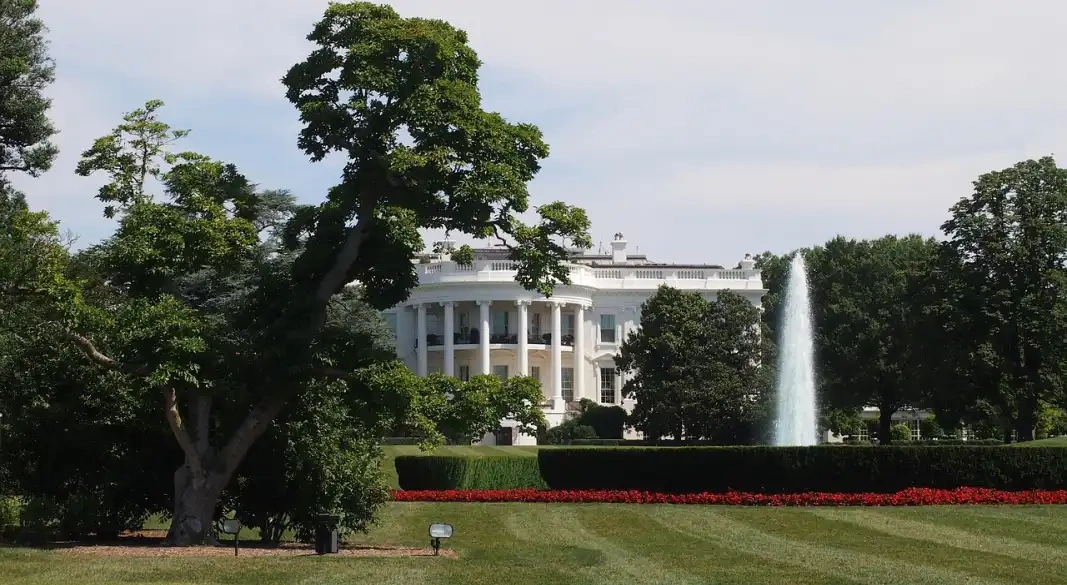
Washington, D.C. — The White House has significantly reduced the size of its National Security Council (NSC) in what officials describe as a sweeping and strategic reorganization aimed at increasing efficiency, cutting bureaucracy, and redefining the administration’s foreign policy workflow.
The restructuring marks one of the most substantial overhauls of the NSC in recent years. According to senior administration officials, the move is intended to streamline internal processes, reduce redundancy across agencies, and ensure that the NSC functions as a core strategic advisory body — not as a parallel operational structure.
The staff reductions affect various departments within the NSC, including regional and functional directorates. While the exact number of cuts has not been disclosed publicly, multiple director-level and senior advisor roles are said to be either reassigned or phased out in the coming weeks. Support positions and policy staff are also impacted, as the White House moves to centralize decision-making and tighten its command structure on national security matters.
In a statement released earlier today, a senior official emphasized that the reorganization reflects a renewed commitment to a “leaner, more agile” security council — one capable of responding more effectively to a rapidly evolving global landscape. The official noted that the restructure will not compromise national security priorities or operational capabilities.
Analysts suggest the latest cuts may be part of a broader White House strategy to return the council to its original advisory role — focused more on interagency coordination and long-term planning than daily execution of foreign policy.
Despite the magnitude of the changes, the administration has reassured allies and partners that key international commitments remain unchanged, and that diplomacy, defense coordination, and intelligence integration will continue without disruption.
As the restructuring process unfolds, further announcements regarding new leadership roles, redefined directorates, and updated policy priorities are expected in the coming days.
Global stock markets remained mixed today as investors weighed fresh U.S. inflation data, corporate earnings reports, and the ongoing economic uncertainty in China and Europe. The U.S. stock market opened slightly higher on Monday morning, with the Dow Jones Industrial Average rising 0.4%, the S&P 500 climbing 0.3%, and the Nasdaq Composite gaining 0.5% in early trading. Investors responded positively to June's U.S. Consumer Price Index (CPI) report, which showed inflation cooling slightly to an annual rate of 3.0%, down from 3.3% in May."Markets are optimistic that the Federal Reserve may pause or even cut interest rates by the fall," said Lisa Raymond, chief analyst at Morgan & Co. "But it's still a wait-and-see situation, especially with more earnings coming this week." Wall Street Opens Higher Dow +0.4%, S&P 500 +0.3%, Nasdaq +0.5% on Monday morning. Boosted by June CPI showing inflation cooled to 3.0% (down from 3.3%). Hopes rise for potential Fed rate cut or pause by fall. The U.S. stock market opened slightly higher on Monday morning, with the Dow Jones Industrial Average rising 0.4%, the S&P 500 climbing 0.3%, and the Nasdaq Composite gaining 0.5% in early trading. Investors responded positively to June's U.S. Consumer Price Index (CPI) report, which showed inflation cooling slightly to an annual rate of 3.0%, down from 3.3% in May. "Markets are optimistic that the Federal Reserve may pause or even cut interest rates by the fall," said Lisa Raymond, chief analyst at Morgan & Co. "But it's still a wait-and-see situation, especially with more earnings coming this week." Tech Leads the Way Technology stocks led the gains in the U.S., with Apple (AAPL) up 1.8% and Nvidia (NVDA) jumping 2.4%, as demand for AI and semiconductors remains strong. Tesla (TSLA) also rebounded, rising 3.1% after announcing better-than-expected Q2 vehicle deliveries. Global stock markets showed a mixed performance as investors weighed persistent inflation concerns against a wave of corporate earnings reports. While strong results from major tech companies helped lift some indexes, uncertainty surrounding central bank policies and the future path of interest rates kept others in check. In the U.S., Europe Struggles on Growth Concerns Meanwhile, European markets showed little movement, with the FTSE 100 in London flat and Germany’s DAX down 0.2%. Investors remain concerned about weak industrial output and rising energy costs across the Eurozone.“The European economy is showing signs of fatigue,” said Carla Dupont, economist at BNP Paribas. “High borrowing costs and geopolitical tensions are dragging down business activity.”Global stock markets showed a mixed performance as investors weighed persistent inflation concerns against a wave of corporate earnings reports. While strong results from major tech companies helped lift some indexes, uncertainty surrounding central bank policies and the future path of interest rates kept others in check. In the U.S., Market Performance Summary Table Region Index/Company Movement (%) Key Driver USA Dow Jones +0.4% Positive CPI report (3.0% inflation) S&P 500 +0.3% Rate cut optimism Nasdaq +0.5% Tech stock gains Apple (AAPL) +1.8% Strong AI demand Nvidia (NVDA) +2.4% Semiconductor growth Tesla (TSLA) +3.1% Strong Q2 deliveries Europe FTSE 100 (UK) 0.0% Flat due to economic uncertainty DAX (Germany) -0.2% Weak industrial output, high energy costs Asia Nikkei 225 (Japan) +0.6% Strong export performance Shanghai Composite -1.2% Property sector risks, low consumer spending Asia Mixed as Chinese Markets Slump In Asia, markets showed mixed results. Japan’s Nikkei 225 gained 0.6%, supported by strong export data. However, Chinese markets fell sharply, with the Shanghai Composite down 1.2%, as fears about the country’s property sector and sluggish consumer spending persisted. Gains in consumer and tech sectors pushed markets higher, but weaker-than-expected bank earnings and inflation-related jitters limited broader momentum. European markets edged lower as traders grew cautious about global trade tensions and slowing growth indicators, while Asian markets saw mixed results, with Hong Kong posting modest gains and Tokyo slipping slightly. Overall, market sentiment remains cautious as investors await further economic data and guidance from central banks. Looking Ahead Investors are now turning their focus to key corporate earnings this week from major banks like JPMorgan Chase, Goldman Sachs, and Citigroup, as well as tech giants like Netflix and Microsoft. The results are expected to provide a clearer picture of business resilience amid high interest rates and uncertain global demand. Overall, market sentiment remains cautious as investors await further economic data and guidance from central banks.
The U.S. Supreme Court issued a landmark ruling on Monday, declaring that former presidents are entitled to partial immunity from criminal prosecution for actions taken while in office. The 6-3 decision, split along ideological lines, has triggered intense political and legal debate across the country. The ruling stems from charges brought against former President Donald Trump, who has faced multiple indictments related to alleged interference in the 2020 presidential election and events surrounding the January 6 Capitol riot. The Court’s decision now makes it more difficult for prosecutors to pursue charges for actions deemed as part of a president's official duties. Heatwave Grips U.S. South and Midwest, Breaking Temperature Records Data Table Price Total 1200 1200 Ata Moyda Demographic Data District Population Percentage Noakhali 31,000,00 5% Cumilla 35,000,00 5.5% Divided Reactions President Joe Biden responded to the ruling by calling it a “dangerous precedent” that could place future presidents above the law. “No one in America should be beyond accountability,” he said during a press conference. Republican leaders, however, welcomed the decision. House Speaker Steve Scalise stated, “This ruling upholds the constitutional separation of powers and protects the office of the presidency from political attacks.” What the Ruling Means The Court ruled that while presidents do not have absolute immunity, they are shielded from criminal prosecution for actions that are “within the outer perimeter of official presidential responsibilities.” However, personal or unofficial actions remain subject to prosecution. Legal experts say the ruling could delay several of Trump’s ongoing legal cases, potentially impacting the 2024 election season, where Trump remains the leading Republican contender. Public Response Protests erupted in major cities including New York, Los Angeles, and Chicago, with citizens expressing fears that the decision could weaken American democracy. On social media, the hashtag #NoOneAboveTheLaw trended nationwide.
Tourism Rebounds Strongly in 2025 as Travelers Seek New Adventures Post-Pandemic The global tourism industry has entered a period of remarkable recovery in 2025, following several years of pandemic-related disruption. With the lifting of most travel restrictions, renewed consumer confidence, and a deep craving for exploration, tourism has surged across continents. Experts say this rebound is not merely a return to old patterns, but a reshaping of how people travel, what they value, and how the industry responds. International Travel Reaches Record Levels Countries around the world have seen a significant rise in international arrivals. Popular destinations like France, Thailand, Italy, and Mexico are reporting visitor numbers that not only match but exceed pre-pandemic figures. Airports are bustling, cruise ships are sailing at full capacity, and global airlines have reinstated and even expanded routes. This surge is being driven by both leisure and business travelers eager to reconnect with the world. Tourists Demand Deeper, More Meaningful Experiences Travelers in 2025 are no longer satisfied with generic sightseeing tours. There is a growing demand for immersive experiences—whether it's living with a local family in a remote village, joining a traditional cooking class, or volunteering in conservation projects. This shift reflects a deeper desire for cultural understanding, personal growth, and making lasting memories, rather than just collecting passport stamps. Technology Transforms the Travel Experience Advancements in technology have revolutionized every stage of the travel journey. From AI-powered itinerary planners and mobile boarding passes to biometric check-ins and real-time translation apps, modern travelers are enjoying unprecedented convenience. Virtual reality previews and augmented reality tours are also helping travelers plan smarter and engage more deeply with destinations. Sustainability Becomes a Core Concern Post-pandemic travelers are more environmentally conscious than ever before. Eco-tourism has moved from niche to mainstream, with tourists choosing green-certified hotels, carbon offset flights, and low-impact transport options. Many are also seeking out destinations that emphasize environmental protection, wildlife preservation, and sustainable development. Tour operators and governments are responding by investing in responsible travel infrastructure and education. Flexible Booking and Safety Measures Still Matter Despite the easing of global health threats, travelers remain cautious. Flexible booking policies, free cancellations, and comprehensive travel insurance are considered essential. Tourists also favor destinations with clear safety protocols and reliable healthcare systems. These preferences are shaping the policies of airlines, hotels, and tour agencies, which now compete not only on price and location but on traveler assurance. Domestic and Regional Tourism Remains Strong While international travel has boomed, domestic tourism has also seen steady growth. Many travelers are discovering hidden gems within their own countries—national parks, cultural heritage sites, and lesser-known towns—thanks to local government campaigns and improved transportation networks. Weekend getaways, road trips, and regional cruises are more popular than ever, helping stimulate local economies and reduce pressure on overcrowded hotspots. Travel Trends Are Redefining Industry Standards. From "workcations" that blend business with leisure to solo female travel and multi-generational family trips, the diversity of travel preferences is expanding. Social media continues to influence destination choices, while personalized travel experiences—tailored by data and AI—are raising expectations across the industry. The result is a tourism ecosystem that is more agile, inclusive, and innovative.
In an increasingly visual world, photography has evolved far beyond a hobby—it has become a powerful tool of connection, identity, and even resistance. From the alleyways of Marrakech to the streets of Tokyo, people around the globe are using photography to capture their realities, share their truths, and reimagine how we see the world. In 2025, the art of photography is no longer limited to professionals or those with expensive equipment. With powerful cameras embedded in nearly every smartphone and editing apps accessible to all, the global population has become a generation of storytellers. A New Language of Expression Photography has become the most universal visual language—transcending borders, politics, and even spoken words. A single image can spark movements, ignite conversations, and bring attention to marginalised voices. From the war-torn zones of Gaza and Ukraine to peaceful protests in Europe and climate marches in South America, everyday citizens are documenting history in real time. These raw, unfiltered images often make their way to global audiences faster than traditional news media. "The smartphone is the new pen," says French photojournalist Camille Laurent. "People don’t just take photos—they share their worldviews." The Rise of Visual Identity In cities like New York, Seoul, and Berlin, photography has become deeply intertwined with personal branding. On platforms like Instagram and Threads, visuals are the currency of influence. Whether it’s fashion, travel, activism, or mental health, photography is the lens through which individuals craft and project their identity. This has also sparked a global aesthetic—where minimalist cafes in Istanbul resemble those in Paris, and sunlit "golden hour" selfies are universal. Yet within this visual sameness, cultural uniqueness is also being celebrated. Photographers are reclaiming their heritage—using traditional attire, rural landscapes, and local rituals to tell stories that challenge stereotypes and global homogenisation. AI, Ethics & The Future As artificial intelligence blends with photography, questions of ethics and authenticity are surfacing. AI-generated portraits and edited realities raise concerns about truth, body image, and media manipulation. Yet, at the same time, AI tools are empowering more people to create stunning visuals without formal training—democratising creativity in ways never imagined. "We're entering an era where the line between photography and digital art is blurring," notes Japanese visual artist Rei Nakamura. "But the emotion behind the image still matters most." A Global Bond In refugee camps in Jordan, schoolchildren are given disposable cameras to capture their lives. In Scandinavian forests, nature photographers use drones to document wildlife. On African coastlines, photographers are preserving indigenous stories that were never written down. Despite the diversity of context, one thing is clear: photography connects humanity. It offers empathy. It builds bridges. In the words of American photographer Dorothea Lange, "Photography takes an instant out of time, altering life by holding it still." And today, more than ever, the world is watching—frame by frame.
In an increasingly visual world, photography has evolved far beyond a hobby—it has become a powerful tool of connection, identity, and even resistance. From the alleyways of Marrakech to the streets of Tokyo, people around the globe are using photography to capture their realities, share their truths, and reimagine how we see the world. In 2025, the art of photography is no longer limited to professionals or those with expensive equipment. With powerful cameras embedded in nearly every smartphone and editing apps accessible to all, the global population has become a generation of storytellers. A New Language of Expression Photography has become the most universal visual language—transcending borders, politics, and even spoken words. A single image can spark movements, ignite conversations, and bring attention to marginalised voices. From the war-torn zones of Gaza and Ukraine to peaceful protests in Europe and climate marches in South America, everyday citizens are documenting history in real time. These raw, unfiltered images often make their way to global audiences faster than traditional news media. "The smartphone is the new pen," says French photojournalist Camille Laurent. "People don’t just take photos—they share their worldviews." The Rise of Visual Identity In cities like New York, Seoul, and Berlin, photography has become deeply intertwined with personal branding. On platforms like Instagram and Threads, visuals are the currency of influence. Whether it’s fashion, travel, activism, or mental health, photography is the lens through which individuals craft and project their identity. This has also sparked a global aesthetic—where minimalist cafes in Istanbul resemble those in Paris, and sunlit "golden hour" selfies are universal. Yet within this visual sameness, cultural uniqueness is also being celebrated. Photographers are reclaiming their heritage—using traditional attire, rural landscapes, and local rituals to tell stories that challenge stereotypes and global homogenisation. AI, Ethics & The Future As artificial intelligence blends with photography, questions of ethics and authenticity are surfacing. AI-generated portraits and edited realities raise concerns about truth, body image, and media manipulation. Yet, at the same time, AI tools are empowering more people to create stunning visuals without formal training—democratising creativity in ways never imagined. "We're entering an era where the line between photography and digital art is blurring," notes Japanese visual artist Rei Nakamura. "But the emotion behind the image still matters most." A Global Bond In refugee camps in Jordan, schoolchildren are given disposable cameras to capture their lives. In Scandinavian forests, nature photographers use drones to document wildlife. On African coastlines, photographers are preserving indigenous stories that were never written down. Despite the diversity of context, one thing is clear: photography connects humanity. It offers empathy. It builds bridges. In the words of American photographer Dorothea Lange, "Photography takes an instant out of time, altering life by holding it still." And today, more than ever, the world is watching—frame by frame.


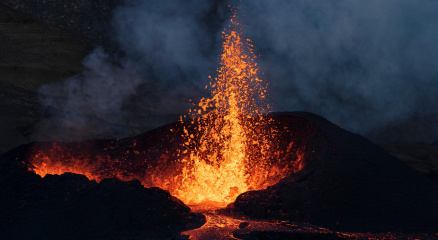
Iran and Israel traded further air attacks on Thursday as President Donald Trump kept the world guessing about whether the United States would join Israel's bombardment of Iranian nuclear facilities. Google News LinkFor all latest news, follow The Daily Star's Google News channel. A week of Israeli air and missile strikes against its major rival has wiped out the top echelon of Iran's military command, damaged its nuclear capabilities and killed hundreds of people, while Iranian retaliatory strikes have killed two dozen civilians in Israel. Iran and Israel traded further air attacks on Thursday as President Donald Trump kept the world guessing about whether the United States would join Israel's bombardment of Iranian nuclear facilities. Guardian council warns US of 'harsh response A key Iranian body warned the United States on Thursday that any intervention in support of its ally Israel would be met with a "harsh response". "The criminal American government and its stupid president must know for sure that if they make a mistake and take action against Islamic Iran, they will face a harsh response from the Islamic Republic of Iran," the Guardian Council said in a statement carried by state television. Google News LinkFor all latest news, follow The Daily Star's Google News channel. A week of Israeli air and missile strikes against its major rival has wiped out the top echelon of Iran's military command, damaged its nuclear capabilities and killed hundreds of people, while Iranian retaliatory strikes have killed two dozen civilians in Israel. Guardian council warns US of 'harsh response' if it intervenes. A key Iranian body warned the United States on Thursday that any intervention in support of its ally Israel would be met with a "harsh response". "The criminal American government and its stupid president must know for sure that if they make a mistake and take action against Islamic Iran, they will face a harsh response from the Islamic Republic of Iran," the Guardian Council said in a statement carried by state television.
🇮🇳🇵🇰 The Water Dispute: What’s at Stake? India has formally declared that it will never restore the 1960 Indus Waters Treaty (IWT) with Pakistan, effectively denying Pakistan access to water from the western rivers—Indus, Jhelum, and Chenab. This water supplied approximately 80% of Pakistan’s agricultural irrigation, making the dispute existential for millions of Pakistanis. The Express Tribune +14, Reuters +14, Al Jazeera +14. India’s Home Minister Amit Shah stated that the water previously destined for Pakistan will instead be diverted to support Indian states like Rajasthan, framing past Pakistani usage as “unjustified”. Reuters+1 Al Jazeera+1. Can Pakistan Be Stopped From Receiving This Water? Under the treaty, Pakistan maintains usage rights to these rivers. However, India’s declaration to suspend, or hold the treaty in "abeyance"—a move not permitted under the treaty’s binding terms—has already led to reduced flows from the Chenab River, causing a reported 21% water deficit during the critical early Kharif season. A 7% shortfall is projected for late Kharif mint + 1. Indian Defence News + 1. Pakistan's Indus River System Authority (IRSA) has confirmed a significant drop in flows at major headworks, signalling immediate agricultural disruption across Punjab, Sindh, and other provinces mint+1 HindustanTimes+1. Experts argue that quitting or halting the treaty constitutes a serious breach of international water-sharing norms, and Pakistan has formally expressed concerns to the Permanent Court of Arbitration (PCA), accusing India of “weaponising water” and violating treaty obligations. The Times of India +6, Pakistan Today +6, Al Jazeera +6. Pakistan’s Political and Legal Response Prime Minister Shehbaz Sharif denounced India's actions as “water aggression, ”vowing a united national response to defend treaty rights. A high-level committee has been created to coordinate responses and accelerate new dam and storage infrastructure projects like the Diamer‑Bhasha and Mohmand dams. The Express Tribune. Senator Syed Ali Zafar warned Parliament that millions rely on the Indus Basin and that failing to act could lead to famine. He referred to India’s suspension as a “water bomb” that threatens Pakistan’s food security and sovereignty. The Guardian +5 Al Jazeera +5 The Times of India +5. Former Foreign Minister Bilawal Bhutto Zardari cautioned Pakistan against rising tensions, stating the water dispute could escalate into war and emphasising the illegality of India’s unilateral treaty suspension. Wikipedia+7 Anadolu Ajansı+7 The Express Tribune +7. Immediate Consequences and Wider Implications Area Impact Agriculture & Food Security Punjab, the country’s granary, is worst hit with a 21% shortfall in supplies during planting season; Sindh also faces deficits and potential desertification concerns. Hydrological Data & Planning Reduced transparency on upstream flows complicates Pakistan’s reservoir and flood management strategies. The Economic Times +15 Al Jazeera +15 The Times of India +15. Legal Outlook Pakistan has appealed to international tribunals and reaffirmed that unilateral treaty withdrawal is unlawful under customary international law. Pakistan Today, Al Jazeera. Domestic Infrastructure Push Pakistan aims to fast-track dam projects to build resilience, including the Diamer‑Bhasha and Mohmand dams, with portions of national development funding dedicated to water security. The Express Tribune. Outlook: How Pakistan Can Respond International Legal Action Pakistan is pursuing arbitration through international courts and reaffirming the binding nature of the IWT and the role of the Permanent Indus Commission. Anadolu Ajansı+15, Pakistan Today+15, Reuters+15. National Infrastructure Mobilization Emergency water management, new reservoirs, and revised irrigation distribution are being prioritised to cope with reduced inflows. Diplomatic Pressure Islamabad continues to mobilise international support and warn against viewing water denial as a military or existential threat. Hindustan Times, 9reddit.com, Wikipedia, 9New York Post, 15Anadolu Ajansı, and 15mint. Domestic Resilience Measures Diversification of water sources, promoting conservation, and exploring inter-provincial conflict resolution are part of broader resilience planning. In Summary: India has unilaterally suspended the Indus Waters Treaty, denying water access to Pakistan from western rivers. Pakistan is facing already measurable agricultural shortages and hydrological stress. While India claims legal rights over diverted water, Pakistan contests this through international legal channels and national infrastructure efforts. The situation remains highly tense, with both ecological and political consequences looming.


On a mission to record all of Ireland's bird species, many of which are dying out, Irishman Sean Ronayne calls his unique audio archive a tool to both raise alarm and bring hope. India has formally declared that it will never restore the 1960 Indus Waters Treaty (IWT) with Pakistan, effectively denying Pakistan access to water from the western rivers—Indus, Jhelum, and Chenab. This water supplied approximately 80% of Pakistan’s agricultural irrigation, making the dispute existential for millions of Pakistanis. The Express Tribune +14, Reuters +14, Al Jazeera +14. India’s Home Minister Amit Shah stated that the water previously destined for Pakistan will instead be diverted to support Indian states like Rajasthan, framing past Pakistani usage as “unjustified”. Under the treaty, Pakistan maintains usage rights to these rivers. However, India’s declaration to suspend, or hold the treaty in "abeyance"—a move not permitted under the treaty’s binding terms—has already led to reduced flows from the Chenab River, causing a reported 21% water deficit during the critical early Kharif season. A 7% shortfall is projected for late Kharif mint + 1. Indian Defence News + 1.